Does Wheat Roti Increase Cholesterol?
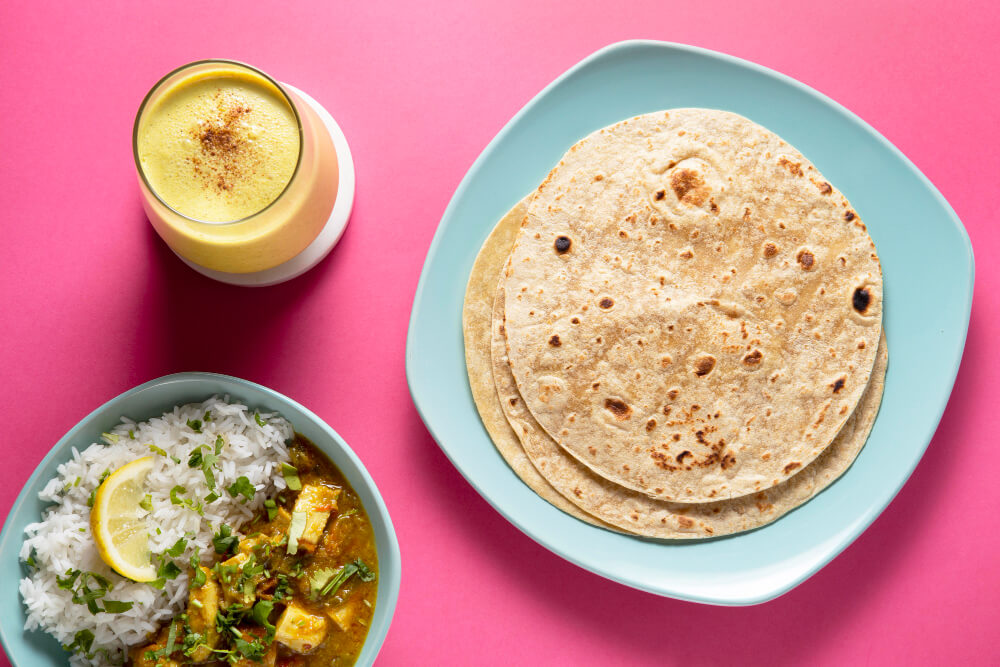
No, wheat roti does not directly increase cholesterol in healthy individuals. Whole wheat roti contains no dietary cholesterol because it is made from plant-based ingredients. In fact, its fiber content may support better cholesterol balance when consumed as part of a balanced diet. However, portion size, cooking methods, and overall food choices matter. Eating excessive amounts alongside fried foods, sugary beverages, or high-fat curries may contribute to weight gain and poor lipid levels over time.
Does Wheat Roti Increase Cholesterol? Many people ask this question after receiving a cholesterol report that shows elevated levels. Since roti is a staple in many Indian households, it often becomes the first food people suspect. In reality, cholesterol management depends on the overall diet, lifestyle habits, activity levels, and portion control.
Understanding How Wheat Roti Fits into a Cholesterol Diet
When planning a cholesterol diet, it is important to look at the complete nutritional profile of foods rather than blaming a single ingredient. Whole wheat roti offers complex carbohydrates, fiber, vitamins, and minerals that can support overall health.
Let's understand the nutritional value and its role in cholesterol management.
Nutritional Value
The nutritional value of wheat roti depends on its size and preparation method.
A standard whole wheat roti weighing approximately 40 grams provides:
- Calories: 110-120 kcal
- Carbohydrates: 22-24 g
- Protein: 3-4 g
- Fat: 0.5-1 g
- Dietary Fiber: 3-4 g
- Iron: 0.6-1 mg
- Magnesium: 20-25 mg
The fiber present in whole wheat may help reduce the absorption of cholesterol in the digestive tract.
Dietary Fiber
Fiber plays a significant role in maintaining healthy lipid levels.
- Supports digestive health
- Promotes satiety
- Helps regulate blood sugar
- May assist in lowering harmful lipid accumulation
Plant-Based Composition
Unlike animal products, wheat contains no cholesterol.
- Naturally cholesterol-free
- Low in saturated fat
- Suitable for heart-conscious eating
- Can be included in balanced meal plans
If you are unsure about portion sizes, consulting experts at Aura the Diet Clinic can help personalize your meal plan according to your health goals.
Why Wheat Roti Does Not Directly Affect LDL Cholesterol
Many concerns about roti stem from misunderstandings surrounding LDL cholesterol and carbohydrate-rich foods. While refined carbohydrates may negatively impact metabolic health when consumed excessively, whole wheat roti behaves differently due to its fiber and nutrient content.
The following factors explain the relationship more clearly.
Whole Grain Benefits
Whole grains provide nutrients that support cardiovascular wellness.
A diet containing adequate whole grains has been associated with improved lipid profiles and better metabolic health.
- Contains bran and germ
- Offers dietary fiber
- Supports digestive function
- Encourages gradual energy release
Low Saturated Fat Content
Foods high in saturated fats are more strongly associated with elevated cholesterol levels.
Whole wheat roti contains very little fat, making it a healthier carbohydrate source compared to many processed alternatives.
- Naturally low fat
- Contains no trans fats
- Supports balanced eating
- Fits heart-conscious meal plans
Better Than Refined Alternatives
Replacing refined flour products with whole wheat options can be beneficial.
Examples include:
- Whole wheat roti instead of white bread
- Chapati instead of refined flour naan
- Multigrain roti instead of processed snacks
For most individuals, Does Wheat Roti Increase Cholesterol? The scientific evidence suggests the answer remains no when consumed as part of a balanced eating pattern.
Common Cholesterol Myths About Indian Staple Foods
Several cholesterol myths continue to circulate, leading people to remove nutritious foods from their diet unnecessarily. Understanding facts can help individuals make informed decisions.
Here are some common misconceptions.
Myth 1: All Carbohydrates Raise Cholesterol
This is incorrect.
Healthy carbohydrate sources such as whole grains, fruits, and vegetables can be part of a heart-friendly eating pattern.
- Focus on quality rather than elimination
- Prioritize whole foods
- Limit heavily processed products
Myth 2: Roti Is Worse Than Rice
The impact depends on quantity, preparation, and overall dietary habits.
Both foods can fit into a balanced meal plan when consumed appropriately.
- Portion control matters
- Fiber intake matters
- Meal composition matters
Myth 3: Cholesterol Problems Come Only From Fat
Many people overlook the role of excess calories, inactivity, and obesity.
Lifestyle factors contribute significantly to heart health outcomes.
- Physical activity is important
- Sleep quality matters
- Stress management helps
Understanding these cholesterol myths can prevent unnecessary dietary restrictions while supporting long-term health.
When Rotis May Contribute to Unhealthy Eating Patterns
Although roti itself is generally nutritious, eating habits surrounding it can create challenges. This is where people often misunderstand the role of staple foods in an Indian diet for cholesterol management.
The following situations deserve attention.
- Excessive Portions
Large quantities of any food can increase calorie intake.
Eating six to eight large rotis per meal may contribute to weight gain if total calorie needs are exceeded.
- Monitor serving sizes
- Balance meals with vegetables
- Include adequate protein
- High-Fat Accompaniments
The foods served alongside roti often matter more than the roti itself.
Examples include:
- Deep-fried curries
- Cream-rich gravies
- Excess butter or ghee
- Processed meats
- Lack of Dietary Variety
A healthy Indian diet for cholesterol should include multiple food groups rather than relying heavily on one staple.
- Add legumes
- Include vegetables
- Consume fruits regularly
- Choose healthy fats
At Aura the Diet Clinic, dietitians often emphasize meal balance rather than eliminating traditional foods unnecessarily.
Best Flours for High Cholesterol Management
People looking for additional dietary improvements can explore alternative flours that support a balanced healthy eating approach.
Different flours offer unique nutritional advantages.
- Oat Flour
Oats contain beta-glucan fiber known for its cholesterol-supporting properties.
- Rich in soluble fiber
- Supports satiety
- Easy to combine with wheat flour
- Barley Flour
Barley contains compounds that may support cardiovascular wellness.
- Good fiber source
- Supports digestive health
- Provides sustained energy
- Multigrain Flour
Combining grains increases nutrient diversity.
- Better micronutrient profile
- More fiber than refined flour
- Improves meal variety
- Ragi Flour
Ragi offers minerals and fiber beneficial for overall health.
- Rich in calcium
- Contains dietary fiber
- Supports balanced nutrition
- Besan Flour
Chickpea flour contributes plant protein and fiber.
- Higher protein content
- Supports fullness
- Useful in mixed flour combinations
Heart Healthy Foods That Support Better Cholesterol Levels
Choosing more heart healthy foods can have a meaningful impact on cardiovascular wellness. Instead of focusing solely on what to avoid, it helps to include foods that actively support better nutrition.
Here are ten excellent options.
1. Oats
Oats are among the most researched foods for supporting healthy cholesterol levels. They contain beta-glucan, a type of soluble fiber that may help reduce the absorption of cholesterol in the digestive tract.
Regular consumption of oats can also improve satiety, making it easier to maintain a healthy weight, which is important for heart health.
2. Almonds
Almonds provide heart-friendly monounsaturated fats, vitamin E, and antioxidants that support cardiovascular wellness. They can be a nutritious snack option when eaten in moderation.
Studies suggest that replacing processed snacks with almonds may contribute to improved lipid profiles and better overall diet quality.
3. Walnuts
Walnuts are rich in omega-3 fatty acids, particularly alpha-linolenic acid (ALA), which supports heart health. They also contain antioxidants and plant compounds that help combat oxidative stress.
Including a small handful of walnuts in your daily diet can be a simple way to add healthy fats without increasing saturated fat intake.
4. Lentils
Lentils are an excellent source of plant protein and dietary fiber. Their fiber content may help support healthy cholesterol management while keeping you full for longer periods.
They are also versatile and can be included in soups, curries, salads, and traditional Indian meals.
5. Chickpeas
Chickpeas provide a combination of protein, fiber, and essential minerals that support overall health. The fiber in chickpeas may help reduce cholesterol absorption and improve digestive function.
Adding chickpeas to salads, chaat, or homemade hummus can increase the nutritional value of your meals.
6. Green Leafy Vegetables
Vegetables such as spinach, fenugreek leaves, and amaranth are packed with vitamins, minerals, antioxidants, and fiber. They are naturally low in calories and fat, making them ideal for heart-conscious diets.
Regular consumption of leafy greens supports overall cardiovascular health and contributes to a balanced eating pattern.
7. Apples
Apples contain pectin, a soluble fiber that may help lower cholesterol levels by binding to cholesterol in the digestive system. They also provide antioxidants that support overall wellness.
Eating whole apples instead of fruit juices allows you to benefit from both fiber and natural nutrients.
8. Flaxseeds
Flaxseeds are rich in omega-3 fatty acids, lignans, and dietary fiber. These nutrients may contribute to better heart health and support cholesterol management.
Ground flaxseeds can easily be added to smoothies, yogurt, oatmeal, or chapati dough for an extra nutritional boost.
9. Soy Products
Soy-based foods such as tofu, soy milk, and edamame provide high-quality plant protein. Replacing some animal-based protein sources with soy products may help support healthier cholesterol levels.
Soy foods are also naturally low in saturated fat, making them a valuable addition to heart-friendly meal plans.
10. Whole Wheat Roti
Whole wheat roti provides complex carbohydrates, fiber, and essential nutrients while remaining naturally cholesterol-free. Its fiber content supports digestive health and may contribute to better cholesterol balance.
When paired with vegetables, legumes, and lean protein sources, whole wheat roti can be an important part of a nutritious diet for managing cholesterol.
Foods for High Cholesterol: What Should Be Limited?
Alongside selecting appropriate foods for high cholesterol, reducing certain foods may also support better health outcomes.
The following items are best consumed in moderation.
- Fried Snacks
Frequently fried foods may contain unhealthy fats.
- Samosas
- Chips
- Pakoras
- Processed Meat Products
These can contain higher amounts of saturated fat and sodium.
- Sausages
- Salami
- Bacon
- Sugary Beverages
Excess sugar intake may negatively affect metabolic health.
- Soft drinks
- Sweetened juices
- Energy drinks
- Bakery Products
Many commercial baked products contain unhealthy fats.
- Cakes
- Pastries
- Cookies
Frequently Asked Questions
People often have practical concerns regarding healthy eating and cholesterol management. Here are some common questions.
- Can I eat wheat roti every day if I have high cholesterol?
Yes. Most people with high cholesterol can consume whole wheat roti daily as part of a balanced meal plan.
- Is multigrain roti better than wheat roti?
Multigrain options may provide additional fiber and nutrients, but both can fit into a healthy diet.
- How many rotis should I eat daily?
The ideal number depends on age, activity level, body weight, and health goals.
- Should I stop eating roti to reduce cholesterol?
No. For most individuals, eliminating roti is unnecessary. Focus on overall dietary quality instead.
- Is brown bread healthier than roti?
Not always. Many commercial brown breads contain refined flour. Traditional whole wheat roti may often be the better choice.
Conclusion
Does Wheat Roti Increase Cholesterol? The evidence suggests that whole wheat roti does not directly raise cholesterol levels. It is naturally cholesterol-free, low in fat, and provides fiber that can support cardiovascular health. Problems usually arise from excessive portions, unhealthy accompaniments, and poor overall dietary habits. By combining roti with vegetables, legumes, and other heart healthy foods, you can create a balanced Indian diet for cholesterol management. Focus on long-term healthy eating patterns rather than eliminating traditional staple foods that can still contribute positively to your health.

Related posts
-
What is the Best Navratri Fasting Menu?
The Navratri fasting menu is best when it combines fasting-friendly carbohydrates,...
-
How Does Stress Affect Pregnancy? Before, During & After
Stress during pregnancy can affect sleep, appetite, blood pressure, and emotional...
-
How to Lower Cholesterol Naturally with an Indian Diet Plan?
How to lower cholesterol naturally is a question many people ask after routine blood...