By Hons. (Dr) Saurabh Kaushik in Diwali Food on 4 November 2026
Gujarati Diwali Food: 10 Traditional Dishes and Meaning
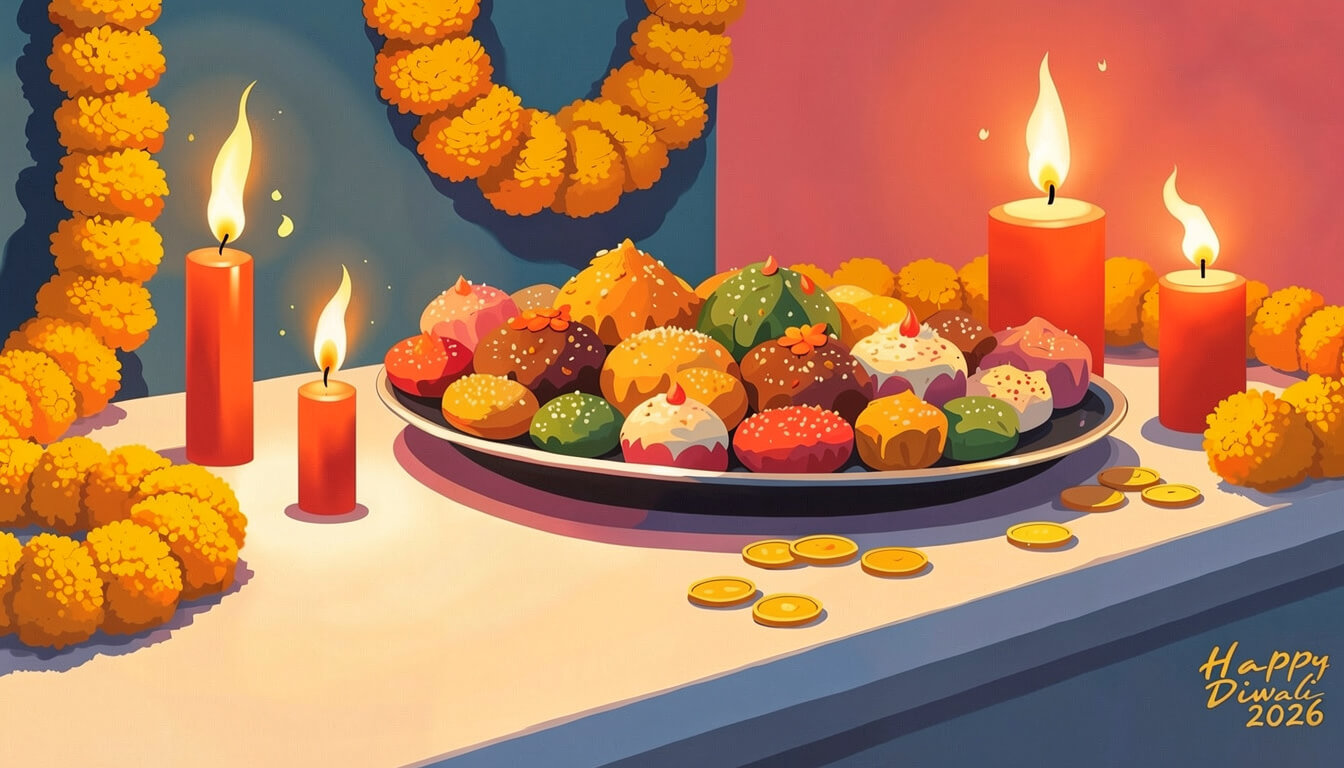
Table of Contents
Gujarati Diwali food centres on festive sweets, crisp fried farsan and rich milk desserts, prepared at home and shared with family, neighbours and guests. If you are planning your festive table and wondering what belongs on it and what each dish means, you are not alone.
Every item carries a story of prosperity, hospitality or ritual. Here are ten traditional dishes, how they are made, what each signifies, and simple tips to enjoy them without overdoing it this Diwali season.
Gujarati Diwali Food: 10 Traditional Dishes to Know
- Ghughra
- Mohanthal
- Chakri
- Mathiya
- Chorafali
- Gathiya
- Shakkarpara
- Mesub
- Sutarfeni
- Basundi
How to Make and Enjoy Each Traditional Gujarati Food
Each dish below follows a familiar rhythm: simple pantry ingredients, patient preparation and a meaningful role in the festival. Together they form a complete Gujarati Diwali food spread. Short pointers show how each is made, followed by a line on its Diwali significance.1. Ghughra Recipe: Crescent Pastries With Sweet Filling
Ghughra is a half-moon pastry that sets a sweet tone for the festival. How it is made:- Knead a firm dough of flour and ghee.
- Fill rolled discs with mawa, coconut, poppy seeds, nuts and cardamom.
- Seal with a crimped edge and fry on low heat until golden.
2. Mohanthal
This rich gram flour fudge is often made before Diwali. How it is made:- Rub coarse besan with ghee and milk into grains.
- Roast slowly until golden and fragrant.
- Stir in sugar syrup with cardamom, set in a tray and top with nuts.
3. Chakri
Moving from sweet to savoury, this spiral snack brings crunch to the table. How it is made:- Mix rice flour with gram flour, sesame, cumin, chilli and butter.
- Press the dough through a mould into coils.
- Fry gently until crisp and drain well.
4. Mathiya
These crisp, peppery discs pair well with tea. How it is made:- Combine moth bean and urad flour with ajwain, pepper, oil and water.
- Roll into thin rounds and prick lightly.
- Fry until flaky and cool before storing.
5. Chorafali
Thin and puffed, this snack is a staple of many Diwali baskets. How it is made:- Knead urad flour and gram flour with ajwain, salt and oil.
- Roll thin, cut into strips and fry until light.
- Serve with tangy chutney or sweet chilli sauce.
6. Gathiya
Soft yet crunchy strands of besan, fried until golden. How it is made:- Mix besan with oil, ajwain, pepper and a pinch of baking soda.
- Press the dough into long strands directly into hot oil.
- Serve with papaya sambharo and green chilli.
7. Shakkarpara
A diamond-shaped sweet cracker made from flour, ghee and sugar. How it is made:- Knead flour, ghee and milk into a stiff dough.
- Cut into small diamonds and fry until pale gold.
- Toss in warm sugar syrup, or use jaggery for a rustic version.
8. Mesub
A soft gram flour sweet related to Mysore pak. How it is made:- Roast besan in ghee until aromatic.
- Add thick sugar syrup and stir to a spongy mix.
- Pour into a greased tray and cut into squares.
9. Sutarfeni
Fine, thread-like strands of dough that melt on the tongue. How it is made:- Prepare a thin dough of flour and ghee.
- Stretch into delicate threads and fry briefly.
- Layer with sugar syrup, cardamom and nuts.
10. Basundi
Thickened, sweetened milk finishes the feast. How it is made:- Simmer full-fat milk slowly until it reduces by about half.
- Sweeten lightly and add cardamom, saffron and nuts.
- Serve chilled, often with puri.
Healthier Ways to Enjoy Gujarati Diwali Snacks
Enjoying Gujarati Diwali food does not require guilt, only awareness of oil, sugar and portions. These three habits keep celebrations joyful and balanced for every age group.1. Choose Baked or Air-Fried Versions
A baked ghughra recipe or air-fried farsan cuts oil without losing flavour. Drain fried items on paper and use fresh oil instead of reheating it.2. Control Portions and Pairing
Wondering how to eat Diwali sweets without gaining weight? Limit sweets to one small piece, pair them with protein such as nuts or curd and keep fried farsan to a small handful.3. Plan for Health Conditions
If you have diabetes, high cholesterol or heart disease, ask your doctor how much traditional Gujarati food suits you, since sugar syrup, ghee and deep frying all matter. Monitor readings during the festival, keep up your walks after meals and never skip prescribed medicines. If you want festive eating without stress, you can reach out to Aura The Diet Clinic for a customised Diwali meal plan.Final Thoughts
Gujarati Diwali food is about sharing, balance and joy, so enjoy each dish slowly. Every sweet and farsan carries a family story, and tasting it mindfully makes the festival more meaningful. Savour Gujarati Diwali snacks in small portions and pair them with fruit, nuts or a short walk. If you have a health condition, check with your doctor, so the festive spirit stays both happy and healthy.Frequently Asked Questions
1. What Counts as Gujarati Diwali Food?
It includes festive sweets, fried farsan and milk desserts prepared before Diwali and shared with guests, and each family adds its own traditional Gujarati food customs.2. Who Can Help Me Plan Festive Meals?
A qualified dietitian can adapt festive menus to your health goals. You can search for a dietitian in Ahmedabad or ask your doctor for a referral.3. Can I Make Diwali Snacks Healthier?
Yes. Try a baked ghughra recipe with a dry fruit filling, air-fry farsan and use less sugar and ghee, which trims calories without losing the festive flavour.4. How Many Sweets Are Safe to Eat?
One or two small pieces a day suits many healthy adults, but people with diabetes should ask their doctor or a nutritionist in Surat about limits.5. Are Diwali Snacks Suitable for Children?
In small portions, yes. Choose less salty, less spicy options and avoid whole nuts for young children because of choking risk.
Related posts
-
What Are the 15 Best Healthy Snacks for Diwali?
Healthy Diwali snacks are baked, roasted, steamed or lightly cooked options such as...
-
20 Foods That Can Help Lower Blood Sugar Naturally
Integrating traditional Indian ingredients into your kitchen is the most effective way to...
-
15 Best Foods for Glowing Skin – by Certified Dietitian
Foods for glowing skin can feel like a mystery when expensive creams and skincare...
Arrange your appointment — Book appointment
