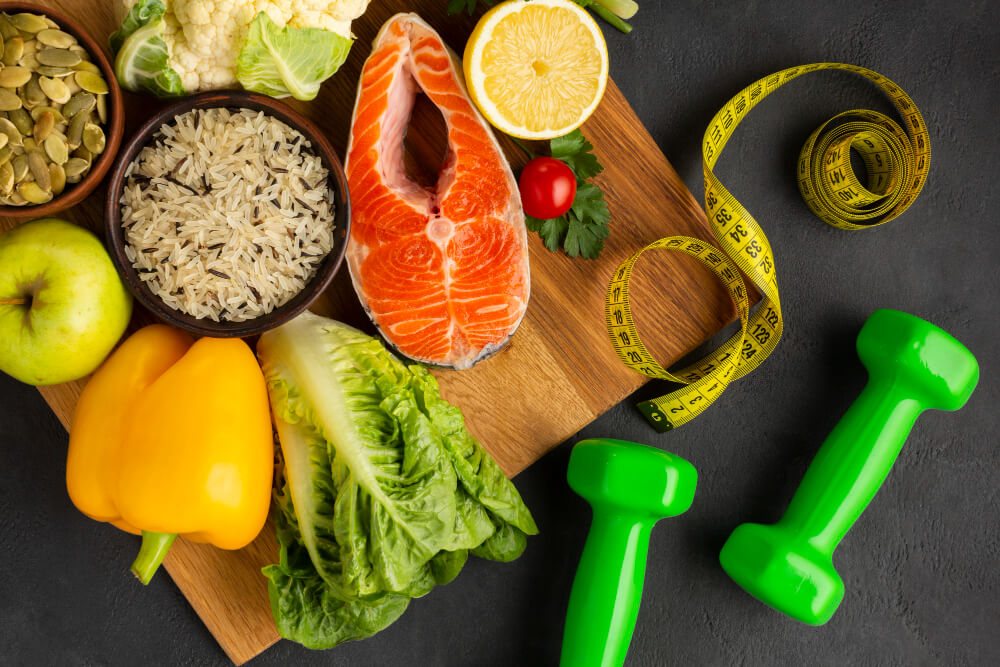
What Are Safe Diets During Pregnancy?
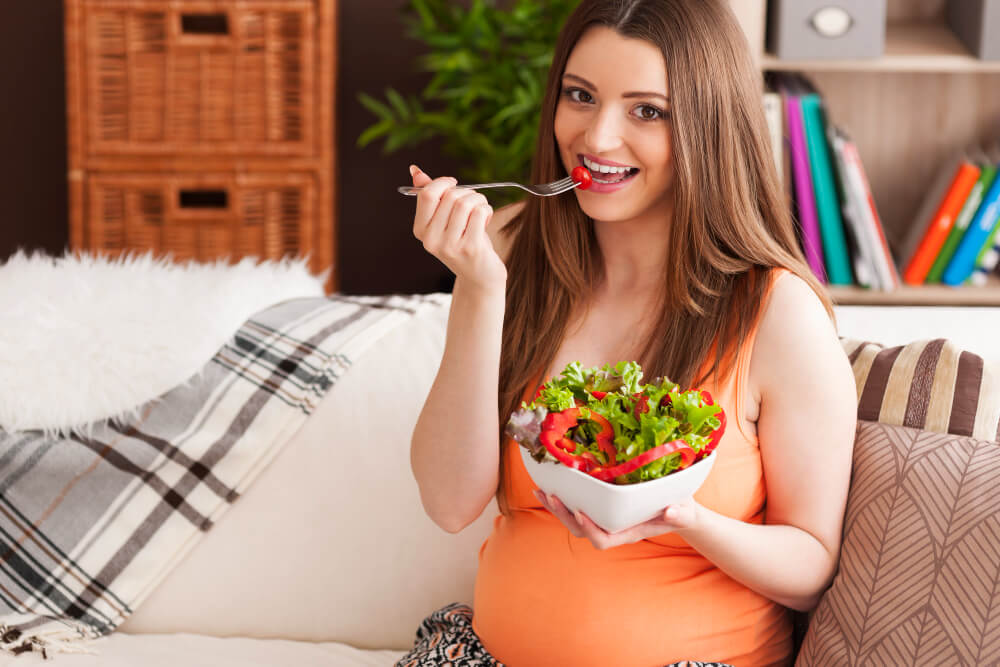
Pregnancy increases the body’s nutritional demands more than any other life stage. According to the World Health Organization, proper maternal nutrition directly influences fetal growth, birth weight, and long-term health outcomes. Yet many expecting mothers struggle with confusion, food myths, nausea, and fear of eating the wrong thing.
Questions around safety, portion sizes, and nutrient gaps are common. Following a safe diet during pregnancy is not about eating more, but eating right, with balance, variety, and evidence-based choices that support both mother and baby.
Understanding the Importance of a Safe Diet During Pregnancy
A safe diet during pregnancy supports fetal organ development, reduces the risk of anemia, gestational diabetes, and low birth weight, and helps manage common symptoms like fatigue and acidity. Doctors and nutrition experts globally recommend focusing on nutrient density rather than calorie loading.
A structured pregnancy nutrition guide helps women meet daily requirements without unnecessary restrictions. Many families now seek antenatal nutrition counselling and maternal diet planning services to ensure dietary choices remain safe and culturally suitable.
Pregnancy Diet Plan That Supports Daily Nutritional Needs
A thoughtful pregnancy diet plan ensures consistent intake of essential nutrients like iron, folate, calcium, protein, and omega-3 fats. These nutrients are part of the nutrients needed during pregnancy and play a key role in brain development, bone strength, and immunity.
Meals should be spaced evenly to stabilize blood sugar and reduce nausea. Consulting clinics offering personalized pregnancy meal planning can help adapt plans to regional food habits and lifestyle needs. A balanced approach prevents deficiencies while supporting steady weight gain.
Healthy Diet for Pregnant Women Based on Everyday Foods
A healthy diet for pregnant women includes familiar, home-cooked foods prepared hygienically. The focus should be on variety, seasonal produce, and proper cooking methods.
Foods commonly recommended include:
- Whole grains like rice, roti, and oats
- Fresh vegetables and fruits rich in fiber
- Dairy or fortified alternatives for calcium
- Cooked pulses, eggs, or lean meats for protein
These choices align with guidance from registered dietitians for pregnancy and support long-term maternal health. Clinics such as Aura The Diet Clinic often emphasize adapting nutrition plans to individual tolerance and medical history.
Foods to Eat During Pregnancy for Steady Growth
Choosing the right foods to eat during pregnancy ensures steady fetal growth and maternal energy. Leafy greens, lentils, nuts, seeds, and seasonal fruits provide antioxidants and micronutrients essential for development.
Including locally available foods also makes adherence easier. Many women benefit from guidance rooted in Indian pregnancy diet recommendations that respect cultural preferences while maintaining safety. These foods also contribute to a naturally balanced diet during pregnancy.
Best Foods for Pregnancy Across Trimesters
The best foods for pregnancy vary slightly across stages. During early months, easily digestible foods are better tolerated. In later stages, higher protein and calcium intake becomes more important.
A first trimester diet should focus on folate-rich foods, hydration, and light meals to manage nausea. In contrast, the second and third trimesters emphasize iron, calcium, and protein to support rapid growth. Understanding these shifts helps maintain a consistent safe diet during pregnancy without stress.
Balanced Diet During Pregnancy for Long-Term Wellness
A balanced diet during pregnancy includes carbohydrates, proteins, fats, vitamins, and minerals in appropriate proportions. Extreme restrictions or fad diets can create nutrient gaps that affect both mother and baby.
Dietitians often recommend prenatal nutrition support programs to help women maintain balance despite appetite changes. Aura The Diet Clinic provides structured guidance that blends medical nutrition with practical home-based solutions, making consistency achievable.
What Not to Eat During Pregnancy for Safety
Understanding what not to eat during pregnancy is just as important as knowing what to include. Certain foods carry a higher risk of infection or toxicity.
- Raw or undercooked meats and eggs
- Unpasteurized dairy products
- High-mercury fish
- Excess caffeine and packaged junk foods
Avoiding these helps protect fetal development and supports a reliable pregnancy nutrition guide that prioritizes safety over trends.
Pregnancy Meal Plan That Fits Modern Lifestyles
A flexible pregnancy meal plan supports working women and homemakers alike. Simple planning reduces daily decision fatigue and ensures nutritional needs are met even on busy days.
If you feel unsure about portion sizes or food combinations, professional help can make a difference. You may consider consulting Hons (Dr) Saurabh Kaushik, Lifestyle Coach, with qualifications in clinical nutrition and preventive health, through Aura The Diet Clinic for structured guidance aligned with medical recommendations.
First Trimester Diet and Managing Common Challenges
A well-planned first trimester diet helps manage nausea, bloating, and appetite loss. Small, frequent meals and adequate hydration are key. Including bland, nutrient-rich foods supports early development while keeping digestion comfortable.
If symptoms persist or weight loss occurs, seeking pregnancy nutrition consultation near you ensures timely support. Early intervention helps maintain a consistent safe diet during pregnancy throughout all stages.

Related posts
-
What is the Best Diet for Muscle Gain? A Dietitian’s Guide
The best diet for muscle gain is often the missing piece for people who spend hours in...
-
How Does Sudden Cardiac Death Happen?
Sudden cardiac death happens when a dangerous heart rhythm abruptly stops the heart from...
-
What Does Garbha Mean in Pregnancy and Garba?
What does garbha mean in pregnancy? It is the Sanskrit word for womb, embryo and the...