Is Milk Safe? Dietitian Insights on Breast Cancer Risk
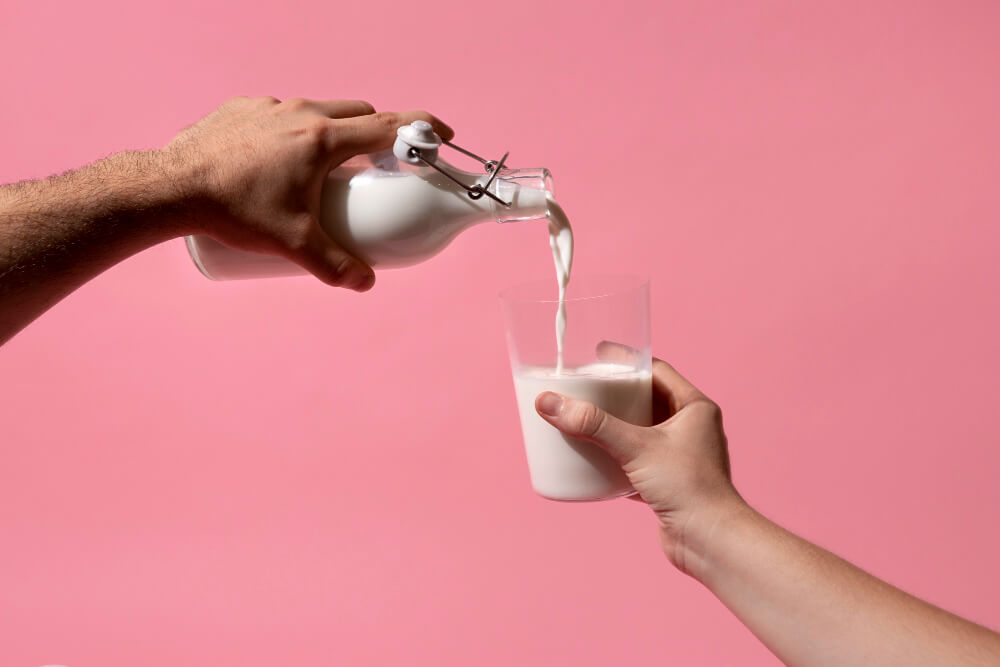
In recent years, one question has kept resurfacing in nutrition and women’s health discussions: is milk safe in relation to breast cancer risk? Since breast cancer is the most common cancer in women around the world, people are naturally paying more attention to what they eat. The World Health Organisation says that more than 2.3 million new cases of breast cancer were reported around the world in 2020. Many women are rethinking the foods they eat every day because of these shocking numbers. Most of the time, milk comes up in these talks.
Many people I work with as a dietitian worry about whether dairy makes them more likely to get cancer, whether there are better foods, and how their lifestyle affects their ability to stay healthy. No, it's not a lesson. It's more like getting help from someone who wants to see you get better. Let's talk about facts for a moment, okay?
Understanding the Concern: Is Milk Safe?
People often worry about two main things when they ask me if milk is good for their health:
- Hormones: Milk naturally has hormones in it, and some people worry that these could affect cancers that are caused by hormones, like breast cancer.
- Ways of processing: People aren't sure if the milk they drink is the same as the milk their grandparents drank because of homogenisation, pasteurisation, and current farming methods.
Even though different studies have different findings, it's important to know that an association does not mean a cause. Some large-scale studies show a small rise in risk, while others don't find a major link. This means that milk can't be blamed on its own; it's part of a bigger picture of what people eat and how they live.
The Science Behind Dairy and Breast Cancer
For decades, people have been trying to figure out if milk is safe for preventing or increasing the chance of cancer. There are nuances in the results:
- You good nutrients: The calcium, vitamin D, and protein in milk aid in the healing process of cells and strengthening of bones.
- Risks: Consuming a lot of dairy products can result in an increase of IGF-1, a cancer growing hormone in your body as suggested by some researchers.
- Cultural differences: Individuals who take low dairy products such as Asians have low incidences of breast cancer. But their genes and lifestyles are not slightly comparable, and thus, impossible to directly compare.
If you drink a modest amount of milk, it probably won't make or break your risk of getting cancer. The total diet, body weight, and amount of activity are more important.
Is Milk Safe in Daily Diets for Women?
Most women can eat a healthy diet with only a small amount of milk each day, about one to two cups. Weight is important. If your meals already have a lot of animal fats, you might not need to add a lot of dairy. However, milk can help you get more calcium or vitamin D if you are having trouble meeting your needs.
Remember that asking if milk is safe isn't just about the risk of getting breast cancer; it's about your health in general. For example, the extra sugar in flavoured milk can raise risks indirectly by making people fat, which is known to raise the risk of cancer.
Plant-Based Alternatives: Do They Make a Difference?
A different question that patients often ask is if plant-based milks are safer. There is a lot of interest in almond, oat, and soy milk these days. Remember these things:
- Soy milk: Some people think that phytoestrogens in soy make you more likely to get cancer, but study shows that a moderate amount of soy may actually protect you.
- Other options: Almond, oat, and coconut milk are all good options, but they might not have enough protein and calories if they aren't fortified.
- Taste and tolerance: Those that are plant-based are applied by individuals who cannot digest lactose since they do not inflict much stomach pain.
In the end, whether you eat dairy or not relies on your health goals and personal preferences, not just your worry about getting breast cancer.
Lifestyle and Breast Cancer Risk Beyond Milk
Food is just one part of the story. To answer the question "Is milk safe?" without talking about living would be incomplete. Among other important factors are:
- Keeping your weight in check: If you keep your weight in check, your body will store less oestrogen in fat.
- Exercise: Doing at least 150 minutes of exercise a week lowers the risk.
- Drinking alcohol: Even small amounts can make you more likely to get breast cancer.
- Well-balanced diet: Foods that are high in fruits, veggies, and whole grains are always good for you.
This whole-person view stresses that no single food, not even milk, determines risk by itself.
Insights from Clinical Practice
I've seen personally how confusion about milk and breast cancer risk makes people anxious at Aura The Diet Clinic, where I work with clients. One of the clients even has abandoned all dairy products because of the fear, only later to learn that they aren't getting enough calcium and vitamin D. When she returned to consuming a healthy portion of dairy every day, coupled by a lot of leafy green foods and fortified foods, her energy level and bone health vastly improved.
What is the real question? Not only is milk safe, but what part does it play in your total diet?
When to Rethink Your Milk Intake
Here are scenarios where cutting down or adjusting dairy may be wise:
- You experience persistent digestive discomfort.
- You have a strong family history of hormone-sensitive cancers and want a cautious approach.
- You consume high amounts of animal protein from other sources.
But for most women, moderate milk intake is not harmful. If anything, excessive restriction without professional guidance may do more harm than good.
Balanced Choices: Practical Tips
If you're still not sure if milk is safe, here are some steps you can take right now:
- To cut down on saturated fat, choose low-fat or skim milk.
- To add variety, switch between dairy and plant-based milks.
- Think about how much you eat one glass is enough, not four.
- Eat milk with other healthy foods, like fruits or whole grains.
These tips will help you get the most out of milk without becoming too dependent on it.
Consult a Professional
If you don't know how much milk to drink, ask a nurse. At Aura The Diet Clinic, we know how to make meal plans just for you that are healthy and even out your diet. When you go your own way, you can feel calm and clear.
The Future of Research: The Role of Research
Science keeps getting better. There needs to be more study done before we can say for sure if milk is safe for people with breast cancer. Until then, we should focus on moderation based on facts instead of extremes. Getting rid of whole food groups for no reason rarely helps with long-term health goals.
Take the Next Step
Don't go through this by yourself if you've been questioning the food you eat. Talk to professionals who can help you with facts, not fear. At Aura The Diet Clinic, we help you feel good about the choices you make for normal health and for preventing health problems.
Conclusion
So, is milk safe when it comes to breast cancer risk? The answer is not a clear yes or no. There are both hazards and rewards to science, which is not always clear. Weight, exercise, alcohol, and a variety of foods are the things that really affect risk.
As a chef, it's easy for me to tell people to eat less, be aware, and find balance. People must never make fun of milk or relate them as being good without thinking. Instead, we should think things through carefully so that we can benefit our health rather than allowing ourselves to worry about things unnecessarily.

Related posts
-
What is the Best Diet for Muscle Gain? A Dietitian’s Guide
The best diet for muscle gain is often the missing piece for people who spend hours in...
-
How Does Sudden Cardiac Death Happen?
Sudden cardiac death happens when a dangerous heart rhythm abruptly stops the heart from...
-
What is the Best Navratri Fasting Menu?
The Navratri fasting menu is best when it combines fasting-friendly carbohydrates,...