By Hons. (Dr) Saurabh Kaushik in Weight Loss on 26 October 2026
Is Rice Bad for Weight Loss?
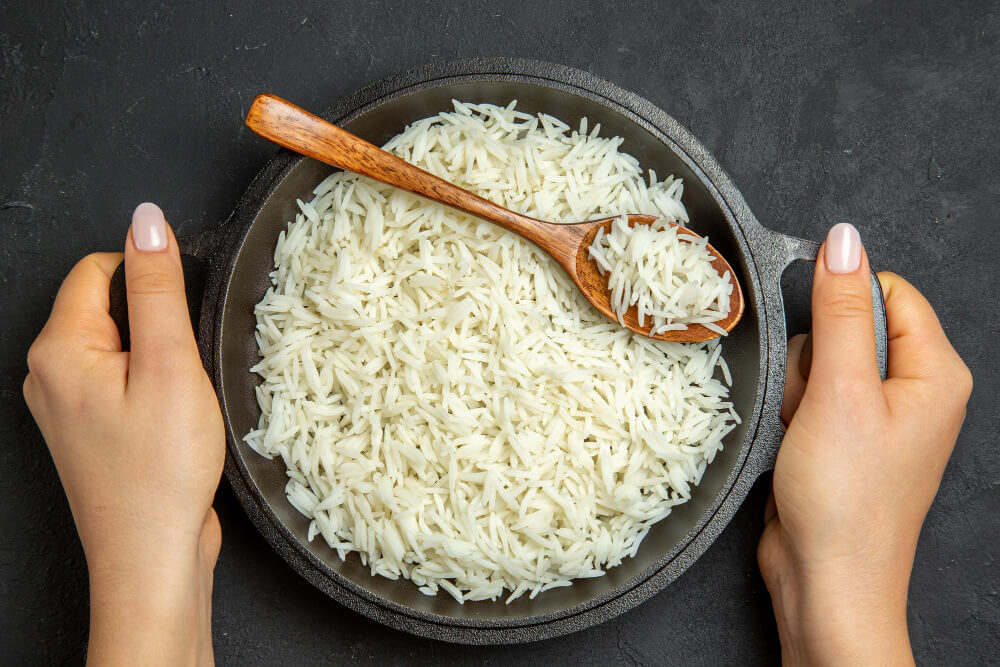
Table of Contents
- Understanding Rice Calories and Their Role in Healthy Eating
- How a Calorie Deficit Matters More Than Avoiding Rice
- Common Rice Mistakes That Affect Weight Management
- Healthy Rice Combinations for Better Results
- Sample Rice-Based Meals for a Weight Loss Diet
- Choosing the Right Rice for an Indian Diet Plan
- Conclusion
- Frequently Asked Questions
No, rice is not inherently fattening, and it does not automatically prevent weight loss.
For many Indians, that advice feels unrealistic because rice is a staple food enjoyed daily. The good news is that weight loss is more about overall eating habits than blaming a single food.
Rice becomes a problem only when it contributes to excess calorie intake. When consumed in appropriate portions and combined with protein, vegetables, and fiber-rich foods, rice can comfortably fit into a weight loss diet.
Successful weight management depends on maintaining a calorie deficit, meaning you consume fewer calories than your body burns over time. Rice is simply one source of carbohydrates within that equation.
People often gain weight because of oversized portions, frequent second servings, and high-calorie accompaniments rather than rice itself.
For most adults trying to lose weight, 100-120 grams of cooked rice per meal works well when combined with protein and vegetables.
Following an Indian Diet Plan Successfully
A balanced Indian diet plan does not require eliminating staple foods.
Understanding Rice Calories and Their Role in Healthy Eating
Rice often gets blamed because it is carbohydrate-rich. However, understanding actual calorie values can help separate myths from facts. Knowing the calorie content of different rice varieties allows you to make informed decisions and practice healthy eating without unnecessary restrictions.- White Rice Calories
- About 28 grams carbohydrates
- Around 2.5 grams protein
- Less than 0.5 grams fat
- Low fiber content
- Brown Rice Benefits
- Higher fiber content
- More magnesium and phosphorus
- Better satiety compared to refined rice
- Supports digestive health
- Retains some bran layers
- Contains more fiber than polished white rice
- Has a lower degree of refinement
- Offers a traditional alternative in many Indian households
| Nutrient (Per 100g Cooked) | White Rice | Brown Rice | Hand-Pounded Rice |
|---|---|---|---|
| Calories | ~130 kcal | ~123 kcal | ~125-130 kcal |
| Carbohydrates | ~28 g | ~25 g | ~26-27 g |
| Protein | ~2.5 g | ~2.7 g | ~2.6 g |
| Fiber | ~0.4 g | ~1.8 g | ~1.2-1.5 g |
| Satiety | Moderate | High | Moderate-High |
| Processing Level | High | Minimal | Moderate |
How a Calorie Deficit Matters More Than Avoiding Rice
Many people focus entirely on removing rice while ignoring the bigger picture. Sustainable fat loss happens when a calorie deficit is maintained consistently over time. Understanding portion sizes can help you enjoy rice without exceeding your daily energy needs. Recommended Portions for Different Goals Portion size requirements vary based on activity level, age, gender, and body composition.| Goal | Cooked Rice Per Meal |
|---|---|
| Aggressive Weight Loss | ½ cup (75-100 g) |
| Moderate Weight Loss | ¾ cup (100-120 g) |
| Weight Maintenance | 1 cup (150 g) |
| Highly Active Individuals | 1-1.5 cups (150-225 g) |
- Keep rice portions measured instead of estimating.
- Fill half your plate with vegetables.
- Include dal, fish, eggs, paneer, or chicken.
- Avoid repeated servings.
- Balance rice intake across the day.
Common Rice Mistakes That Affect Weight Management
Rice itself is rarely the sole reason behind weight gain. Certain habits surrounding rice consumption often create problems for long-term weight management.- Eating Oversized Portions
- Restaurant portions are often double recommended amounts.
- Many people consume 2-3 cups unknowingly.
- Extra servings can significantly increase calorie intake.
- Skipping Protein
- Hunger returns faster.
- Snacking frequency may increase.
- Blood sugar fluctuations may become more noticeable.
- Pairing Rice with High-Calorie Sides
- Fried foods
- Cream-heavy gravies
- Sugary beverages
- Excess oil and ghee
Healthy Rice Combinations for Better Results
The right food pairings can improve satiety, nutrient intake, and overall healthy eating patterns. Building balanced meals allows rice to fit naturally into your lifestyle.- Rice with Dal and Vegetables
- Supports fullness
- Budget-friendly
- Easy to prepare
- Nutritionally balanced
- Rice with Grilled Protein
- Chicken breast
- Fish
- Paneer
- Tofu
- Rice with Legume-Based Curries
Sample Rice-Based Meals for a Weight Loss Diet
A successful weight loss diet should be practical enough to follow consistently. These examples show how rice can remain part of daily meals.- Lunch Option
- 100 g cooked rice
- Dal
- Mixed vegetable sabzi
- Salad
- Curd
- Dinner Option
- 75-100 g cooked rice
- Grilled fish or paneer
- Stir-fried vegetables
- Post-Workout Meal
- Rice
- Chicken or tofu
- Vegetables
Choosing the Right Rice for an Indian Diet Plan
Different rice varieties can suit different preferences and goals. The best option is often the one you enjoy and can eat mindfully.- White Rice
- Brown Rice
- Hand-Pounded Rice
Conclusion
Is Rice Bad for Weight Loss? The evidence suggests the answer is no. Rice can be part of a healthy, balanced eating pattern when portions are managed appropriately. Understanding white rice calories, considering brown rice benefits, and maintaining a calorie deficit are far more important than eliminating rice completely. Whether you follow a traditional Indian diet plan or a modern meal structure, rice can support long-term weight management when combined with protein, vegetables, and mindful eating habits. Ultimately, sustainable healthy eating always beats extreme restrictions.Frequently Asked Questions
- Can I eat rice every day and still lose weight?
- Is brown rice better than white rice for fat loss?
- How much rice should I eat per meal?
- Does rice increase belly fat?
- Should I stop eating rice at night?

Related posts
-
How Does Ultra-Processed Food Affect Weight Loss?
If you are eating carefully but the scale is barely moving, ultra processed food and...
-
Can Weight Loss Help Reduce Cholesterol Levels?
Yes, dropping body weight directly reduces dangerous fat buildup by altering how your...
-
How to Lose 20 Kg with Hypothyroidism?
Yes, losing 20 kg with hypothyroidism is possible, but it requires a medically guided...


Arrange your appointment — Book appointment
