Intermittent Fasting Trends 2026: What’s New in 2026
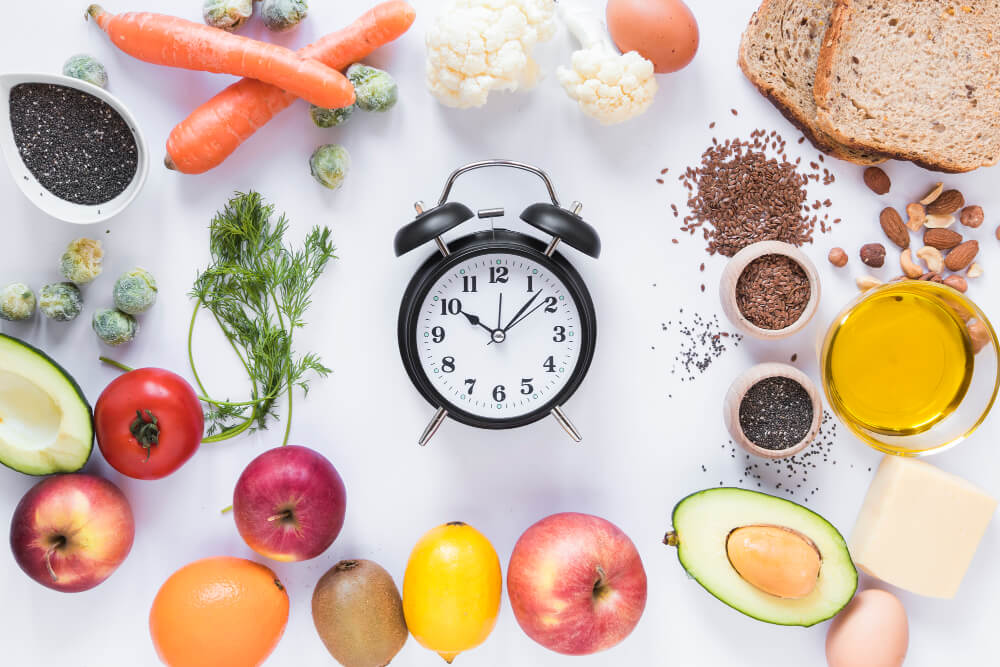
For years people have turned to fasting to manage weight, balance energy and feel in control of their health. According to the National Institute on Aging, fasting patterns that reduce eating windows may support healthy aging and cellular repair.
Yet many individuals still struggle with energy crashes, irregular routines and confusion about what is intermittent fasting in a real-world context.
The Rise of Personalised Intermittent Fasting Trends
One of the biggest shifts in intermittent fasting trends is the move toward highly customised fasting schedules. Research from Harvard Health shows that fasting responses vary greatly based on age, chronotype and activity level. This year more nutrition experts are encouraging flexible fasting rather than fixed windows.
Key updates shaping this shift:
- Increasing focus on circadian alignment to support metabolic health.
- Use of gentle fasting patterns like 12:12 for beginners.
- Growing interest in weekend fasting for those with packed weekday routines.
People who once felt restricted by strict fasting windows now choose plans that match their lifestyle. Many wellness searches such as personalised diet coaching near me or weight management specialists in my city reflect this growing need for adaptability.
If you want a fasting plan that aligns with your sleep cycle and work routine, consider consulting experts at Aura The Diet Clinic for guided support.
Time-Restricted Eating And the Gut Connection
In 2026, time-restricted eating is gaining attention for its influence on gut rhythm. Studies shared by Johns Hopkins University explain that gut microbes follow daily cycles and respond positively to reduced late-night eating. This insight is pushing people to rethink not just how long they fast but when they break their fast.
How this plays out in everyday life:
- Earlier eating windows like 8 AM to 4 PM help support digestive comfort.
- Reduced snacking periods improve gut-rest intervals.
- Balanced meals during eating windows provide steady glucose levels and stronger metabolic health.
This connection has encouraged individuals searching for digestive wellness programs, holistic nutrition plans and gut balancing diets to integrate time-restricted eating into their routine with more awareness.
What is intermittent Fasting 2.0 in 2026
Fasting 2.0 is not a stricter version of old patterns. It focuses on nourishment, sustainability and mental wellbeing. People are more concerned about how fasting fits into daily life rather than whether they can follow rigid rules.
Fasting 2.0 includes:
- Flexible fasting windows based on personal capacity
- Nourish-first approach where nutrient density takes priority
- Slow transition methods for beginners
- Mindful eating habits instead of calorie obsession
Intermittent Fasting Trends and Tech Integration
Tech guided fasting is becoming mainstream. People are increasingly using apps that track eating windows, hydration patterns and mood shifts. Wearables also help assess heart rate and sleep quality to show how fasting supports metabolic health.
Popular tech supported fasting features include:
- Adaptive recommendations based on daily energy levels
- Alerts that prevent excessively long fasts
- Meal rhythm reminders
- AI generated insights on food timing
Search patterns like smart fasting tools, health monitoring apps and digital nutrition tracking for beginners show how technology is blending with nutrition care in 2026.
For offline and tech assisted fasting guidance, you can connect with qualified diet coaches at Aura The Diet Clinic and build a structured plan.
Time-Restricted Eating Trends for Urban Routines
Time-restricted eating is especially popular among urban professionals who manage hectic schedules and irregular meals. The focus is shifting from long fasts to sustainable patterns that fit into daily commitments.
Urban fasting trends include:
- 14:10 schedules for people with morning meetings
- Night shift friendly fasting cycles
- Smaller eating windows on low activity days
This helps individuals avoid energy dips and overeating at night, two of the biggest pain points reported in city based diet assessments.
Metabolic Health and Holistic Eating Patterns
A major update in 2026 is the emphasis on combining fasting with metabolic health support. Instead of focusing solely on hours of fasting, people are choosing balanced food patterns that stabilise insulin, support hormonal balance and maintain energy.
Key approaches include:
- Adding protein rich meals during eating windows
- Prioritising whole foods to keep glucose stable
- Avoiding ultra processed foods that disrupt fasting benefits
Local Lifestyle, Culture and Intermittent Fasting Trends
Fasting in 2026 looks different across regions. Local food habits, work hours and climate influence fasting results. Nutritionists now encourage cultural alignment where traditional meal patterns are adjusted rather than replaced.
Examples include:
- Early dinners becoming more popular in coastal cities
- Mid morning eating windows for colder regions
- Seasonal fasting cycles based on produce availability
Local SEO searches like dietitian near me for fasting help, lifestyle meal planning near my area and weight loss nutrition clinic near me highlight how communities want personalised, location friendly guidance.
Conclusion
Intermittent fasting is stepping into a more flexible and human centred direction in 2026. The focus is shifting to personal comfort, gut health, metabolic stability and sustainable routines. With growing insights and accessible support systems, people can adopt fasting in a way that supports both their lifestyle and long term wellbeing. Clinics like Aura The Diet Clinic are encouraging balanced fasting methods that honour individuality and daily rhythm, helping people stay consistent without stress.

Related posts
-
Can Navratri Fasting Help You Lose Weight?
Can Navratri fasting help you lose weight? Yes, it really can, modestly, provided your...
-
Fasting This Navratri? Try These 15 Weight-Loss Friendly Foods
Weight loss foods for Navratri fasting are mostly light, fibre-rich and protein-friendly...
-
What is the Best Navratri Fasting Menu?
The Navratri fasting menu is best when it combines fasting-friendly carbohydrates,...