Child Obesity: How to Help Children Aged 7 to 16 Lose Weight Safely
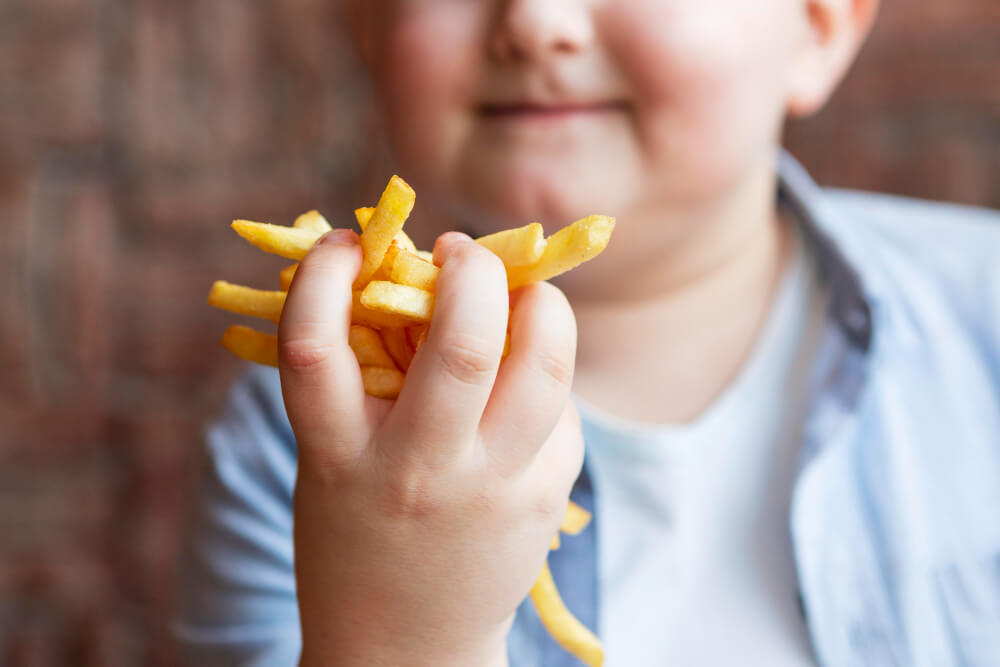
Child obesity can be managed safely through balanced meals, regular physical activity, quality sleep, and positive family habits. The goal is not quick weight loss but steady growth, better health, and lifelong healthy routines that support a child's physical and emotional well-being.
Child obesity can leave parents feeling worried when everyday activities become harder for their child or routine checkups reveal unhealthy weight gain. The good news is that safe, long-term improvements are possible without strict diets or unrealistic expectations.
With the right food choices, active lifestyles, and family support, children can develop healthier habits while continuing to grow normally and confidently. Early action often leads to better health outcomes and lifelong wellness.
What is Child Obesity and How Can It Be Managed Safely?
Childhood obesity is a growing health concern worldwide, affecting millions of school-aged children. It occurs when a child's body stores excess fat that can negatively impact their health, growth, and quality of life. Healthcare professionals usually assess it using Body Mass Index (BMI) for age and sex, along with growth charts rather than adult BMI standards. Understanding the condition is the first step toward helping children achieve better health.
What is Child Obesity?
Child obesity is a medical condition in which a child carries excess body fat for their age, height, and gender. It is not simply about weighing more than classmates. Doctors use BMI-for-age percentiles to determine whether a child's weight falls within a healthy range.
A child may be at risk due to multiple factors rather than a single cause.
Key characteristics include:
- BMI at or above the 95th percentile for age and sex.
- Excess body fat that may affect overall health.
- Increased likelihood of developing chronic diseases later in life.
- Can affect physical, emotional, and social well-being.
- Requires healthy lifestyle changes instead of restrictive dieting.
If you are unsure whether your child's weight is healthy, consulting qualified professionals such as Hons. (Dr) Saurabh Kaushik at Aura the Diet Clinic can help parents receive evidence-based guidance tailored to their child's age and nutritional needs.
Why Are Childhood Obesity Causes Becoming More Common Today?
Modern lifestyles have changed dramatically over the past two decades. Increased screen exposure, processed foods, reduced outdoor play, and changing family routines have all contributed to rising rates of obesity in children.
According to the World Health Organization, childhood overweight and obesity continue to increase globally, making prevention more important than ever.
The following factors explain why more children are gaining excess weight.
1. Increased Consumption of Ultra-Processed Foods
Highly processed snacks, sugary cereals, packaged desserts, and fast foods are often high in calories while offering little nutritional value.
- Rich in added sugars and unhealthy fats.
- Low in fibre that promotes fullness.
- Easy to overeat due to high palatability.
- Often replaces home-cooked meals.
2. Reduced Daily Physical Activity
Many children spend more time indoors than previous generations.
- Less outdoor play.
- Reduced participation in sports.
- Increased dependence on vehicles.
- Lower daily calorie expenditure.
3. Excessive Screen Time
Television, smartphones, gaming, and tablets encourage prolonged sitting while also exposing children to food advertising.
- Longer sitting hours.
- Frequent mindless snacking.
- Reduced physical movement.
- Poorer sleep schedules.
4. Inadequate Sleep
Scientific research consistently links poor sleep with unhealthy weight gain in children.
- Hormonal changes increase hunger.
- Reduced energy for physical activity.
- Greater cravings for sugary foods.
- Irregular eating schedules.
5. Family Lifestyle and Genetics
Genetics can influence body weight, but family habits often play a larger role in daily health.
- Shared eating behaviours.
- Limited access to nutritious meals.
- Lack of active family routines.
- Family history may increase susceptibility but does not determine outcomes alone.
Parents looking for personalised guidance on child weight loss should always prioritise gradual lifestyle improvements instead of rapid dieting. Clinics such as Aura the Diet Clinic focus on sustainable nutrition plans that support healthy growth rather than restricting calories unnecessarily.
What Health Risks Can Obesity in Children Lead To?
Excess body weight affects much more than appearance. Childhood nutrition plays a major role in protecting growing organs, bones, hormones, and mental well-being. When weight remains above a healthy range for several years, the risk of long-term medical conditions increases. Understanding these risks encourages families to take positive action early rather than waiting until adulthood.
- Type 2 Diabetes
- High Blood Pressure and Heart Disease
- Joint and Bone Problems
- Breathing and Sleep Disorders
- Emotional and Mental Health Challenges
- Fatty Liver Disease
15 Best Healthy Foods for Children to Support Safe Weight Loss
A balanced eating pattern provides children with the nutrients they need for healthy growth while helping them maintain an appropriate weight. Instead of restrictive diets, parents should focus on nutrient-dense foods that keep children full, active, and energized. The following 15 foods can support child weight loss as part of a healthy lifestyle.
1. Oats
Oats are rich in soluble fibre and slow-releasing carbohydrates, making them an ideal breakfast option that keeps children full for longer.
Benefits include:
- Supports digestion.
- Reduces unhealthy snacking.
- Provides steady energy.
2. Eggs
Eggs provide high-quality protein and essential nutrients that support growth, muscle development, and brain function.
Benefits include:
- Promotes fullness.
- Supports healthy growth.
- Easy to prepare in many ways.
3. Greek Yogurt
Unsweetened Greek yogurt is packed with protein, calcium, and probiotics that support bone and gut health.
Benefits include:
- Strengthens bones.
- Improves digestion.
- Makes a healthy snack.
4. Leafy Green Vegetables
Spinach, kale, and similar greens are loaded with vitamins, minerals, and fibre, making them an important part of a healthy diet for children.
Benefits include:
- Boosts immunity.
- Supports bone health.
- Encourages healthy eating habits.
5. Carrots
Carrots are naturally sweet, crunchy, and rich in vitamin A, making them a nutritious snack.
Benefits include:
- Supports eye health.
- Improves digestion.
- Replaces processed snacks.
6. Lentils
Lentils are rich in plant protein, fibre, and iron, helping children stay full and energized.
Benefits include:
- Supports muscle growth.
- Controls hunger.
- Promotes digestive health.
7. Beans
Beans provide protein, fibre, and complex carbohydrates for long-lasting energy.
Benefits include:
- Keeps children satisfied.
- Supports healthy blood sugar.
- Rich in iron.
8. Brown Rice
Brown rice contains more fibre than white rice and provides sustained energy.
Benefits include:
- Supports digestion.
- Keeps children active.
- Pairs well with balanced meals.
9. Fish
Fatty fish such as salmon are rich in omega-3 fatty acids and high-quality protein.
Benefits include:
- Supports brain development.
- Promotes heart health.
- Provides vitamin D.
10. Chicken Breast
Skinless chicken breast is a lean protein that supports healthy growth without excess saturated fat.
Benefits include:
- Builds muscle.
- Keeps children full.
- Fits into healthy meals.
11. Nuts and Seeds
In age-appropriate portions, nuts and seeds provide healthy fats, protein, and essential minerals.
Benefits include:
- Supports brain health.
- Provides healthy fats.
- Makes nutritious snacks.
12. Avocados
Avocados contain heart-healthy fats, fibre, and potassium that support overall development.
Benefits include:
- Promotes healthy digestion.
- Supports brain function.
- Adds healthy fats to meals.
13. Fresh Fruits
Fresh fruits offer natural sweetness along with vitamins, antioxidants, and hydration.
Benefits include:
- Reduces sugary cravings.
- Increases fibre intake.
- Supports immunity.
14. Sweet Potatoes
Sweet potatoes provide complex carbohydrates, fibre, and vitamin A for lasting energy and healthy growth.
Benefits include:
- Supports eye health.
- Keeps children full.
- Healthy alternative to fries.
15. Homemade Vegetable Soup
Homemade vegetable soup is an easy way to increase childhood nutrition by combining a variety of vegetables in one meal.
Benefits include:
- Increases vegetable intake.
- Improves hydration.
- Makes meals more filling.
Which Foods Should Children Limit to Reduce Childhood Obesity?
Completely banning favourite foods is rarely effective. Instead, parents should encourage moderation and reduce foods that are high in added sugar, unhealthy fats, and excess sodium. Making gradual changes can help manage childhood obesity while teaching children healthier eating habits that last into adulthood.
1. Sugary Soft Drinks
Soft drinks are one of the biggest sources of added sugar in children's diets. They provide excess calories without essential nutrients and can contribute to unhealthy weight gain.
Limiting soft drinks can help by:
- Reducing added sugar intake.
- Supporting better hydration with water or milk.
- Lowering the risk of tooth decay.
2. Candy and Chocolates
These treats are often high in sugar and low in nutrients. While occasional treats are acceptable, frequent consumption can increase calorie intake.
Parents should encourage moderation because they:
- Add excess calories.
- Increase sugar cravings.
- Offer little nutritional value.
3. Packaged Chips
Packaged chips are high in salt, refined carbohydrates, and unhealthy fats, making them an unhealthy everyday snack.
Replacing them with healthier snacks can:
- Reduce sodium intake.
- Improve overall nutrition.
- Help children stay full for longer.
4. Fast Food Burgers
Fast food burgers are often served in large portions and contain excess saturated fat, refined carbohydrates, and sodium.
Limiting fast food may help:
- Reduce calorie intake.
- Improve heart health.
- Encourage home-cooked meals.
5. Fried Foods
Deep-fried foods absorb large amounts of oil during cooking, making them energy-dense and less nutritious.
Choosing baked or grilled alternatives can:
- Lower unhealthy fat intake.
- Support better digestion.
- Promote healthier eating habits.
6. Sugary Breakfast Cereals
Many breakfast cereals marketed to children contain large amounts of added sugar despite appearing healthy.
Healthier breakfast choices can:
- Keep blood sugar stable.
- Provide longer-lasting energy.
- Reduce mid-morning hunger.
7. Cakes and Pastries
These baked treats are rich in refined flour, sugar, and saturated fat, making them suitable only as occasional foods.
Reducing their intake helps:
- Limit excess sugar.
- Prevent overeating.
- Encourage healthier desserts.
8. Ice Cream
Ice cream contains high amounts of sugar and saturated fat, so portion control is important.
Serving it occasionally can:
- Reduce unnecessary calorie intake.
- Support healthier food choices.
- Encourage moderation instead of restriction.
9. Instant Noodles
Instant noodles are typically high in sodium and low in fibre and protein, making them less filling than balanced meals.
Replacing them with homemade options can:
- Improve nutrient intake.
- Increase protein and fibre.
- Support healthy growth.
10. Processed Meats
Processed meats such as sausages and nuggets often contain excess sodium, preservatives, and unhealthy fats.
Choosing fresh protein sources instead can:
- Improve meal quality.
- Reduce sodium intake.
- Support better overall health.
What Healthy Habits Can Parents Follow to Prevent Child Obesity?
Healthy habits begin at home, and children are more likely to follow them when parents lead by example. Small, consistent lifestyle changes are far more effective than strict diets for preventing obesity in children.
Parents can support healthier lifestyles by:
- Preparing balanced home-cooked meals more often.
- Encouraging at least 60 minutes of physical activity every day.
- Limiting recreational screen time.
- Keeping healthy snacks easily available.
- Ensuring children get enough sleep each night.
- Praising healthy behaviours rather than focusing only on weight.
If you're concerned about your child's eating habits or growth, consult Hons. (Dr) Saurabh Kaushik at Aura the Diet Clinic for personalised guidance based on your child's nutritional needs.
Frequently Asked Questions
- Can children lose weight safely without dieting?
Yes. Most children benefit from balanced meals, regular physical activity, good sleep, and family support instead of restrictive diets.
- How much exercise should children get daily?
The World Health Organization recommends at least 60 minutes of moderate to vigorous physical activity each day.
- Should parents completely stop giving sweets?
No. Occasional treats are acceptable when they are part of an otherwise balanced diet.
- When should parents seek professional advice?
Parents should consult a healthcare professional if their child is gaining weight rapidly, has obesity-related health conditions, or needs a personalized nutrition plan.
Conclusion
Managing child obesity is about building healthy habits rather than achieving quick weight loss. A balanced diet, regular physical activity, sufficient sleep, and positive family support can significantly improve a child's health and confidence. By making gradual lifestyle changes and encouraging healthy eating for kids, parents can help their children develop lifelong habits that reduce the risk of future health problems.

Related posts
- What is the Best Time to Eat for Weight Loss?
There is no universal best time to eat for weight loss. Your body responds better to...
- What is the Best Indian Diet Plan for Weight Loss?
Indian diet plans for weight loss often feel confusing because every week brings a new...
- Is it possible to lose weight without going to the gym?
Yes. Many people successfully lose body fat without stepping inside a gym. The key is...