How to Stay Healthy While Fasting During Shravan and Paryushan

A balanced approach to fasting focuses on nourishing your body with wholesome foods, adequate hydration, sufficient protein, fibre, and essential nutrients while honouring religious traditions. Choosing the right meals helps maintain steady energy, supports digestion, and allows you to complete your fast comfortably without compromising your overall health.
Healthy fasting diet choices can feel confusing when long fasting hours leave you tired, hungry, or low on energy. Many people unknowingly depend on fried snacks or sugary foods that satisfy hunger only for a short time. A thoughtful eating approach can make a significant difference. By selecting nutrient-rich ingredients and planning meals wisely, you can enjoy Shravan and Paryushan while supporting your body's nutritional needs and overall well-being.
What Are the Benefits of Following a Healthy Fasting Diet?
A well-balanced fast is not about eating less. It is about eating smarter. When planned correctly, fasting can support your body and mind while helping you stay energetic throughout the day. Whether you follow a Shravan fasting diet or observe Jain fasting traditions, nutritious food choices can make the experience healthier and more comfortable.
1. Maintains Steady Energy Levels
A balanced meal provides slow-releasing carbohydrates, protein, and healthy fats that keep you active for longer.
- Prevents sudden energy crashes.
- Reduces unnecessary hunger between meals.
- Supports better physical performance during fasting hours.
2. Supports Better Digestion
Including fibre-rich ingredients improves gut health and promotes smoother digestion during fasting.
- Helps prevent constipation.
- Supports healthy bowel movements.
- Keeps the digestive system functioning efficiently.
3. Helps Preserve Muscle Mass
Protein remains important even during fasting because the body continues repairing tissues.
- Dairy, nuts, and seeds supply quality protein.
- Supports muscle maintenance.
- Reduces excessive weakness after fasting.
4. Promotes Better Hydration and Recovery
A nutrient-rich approach combined with adequate fluids allows the body to recover after fasting.
- Maintains electrolyte balance.
- Supports healthy metabolism.
- Reduces fatigue and headaches caused by dehydration.
5. Encourages Mindful Eating Habits
Festivals offer an opportunity to become more aware of food choices instead of overeating after breaking the fast.
- Improves portion control.
- Encourages balanced meal planning.
- Helps build sustainable eating habits beyond the festival season.
If you have existing health concerns or require personalised guidance, consulting experts at Aura the Diet Clinic can help you prepare a fasting routine that matches your nutritional needs.
How Can Healthy Fasting Foods Keep You Nourished Throughout the Day?
Selecting the right healthy fasting foods helps maintain energy, supports immunity, and prevents nutrient deficiencies during long fasting hours. Instead of relying only on fried vrat snacks, include wholesome Indian foods that naturally provide carbohydrates, protein, healthy fats, vitamins, and minerals. The following foods fit well into a practical fasting diet plan while keeping meals satisfying.
1. Samak Rice (Barnyard Millet)
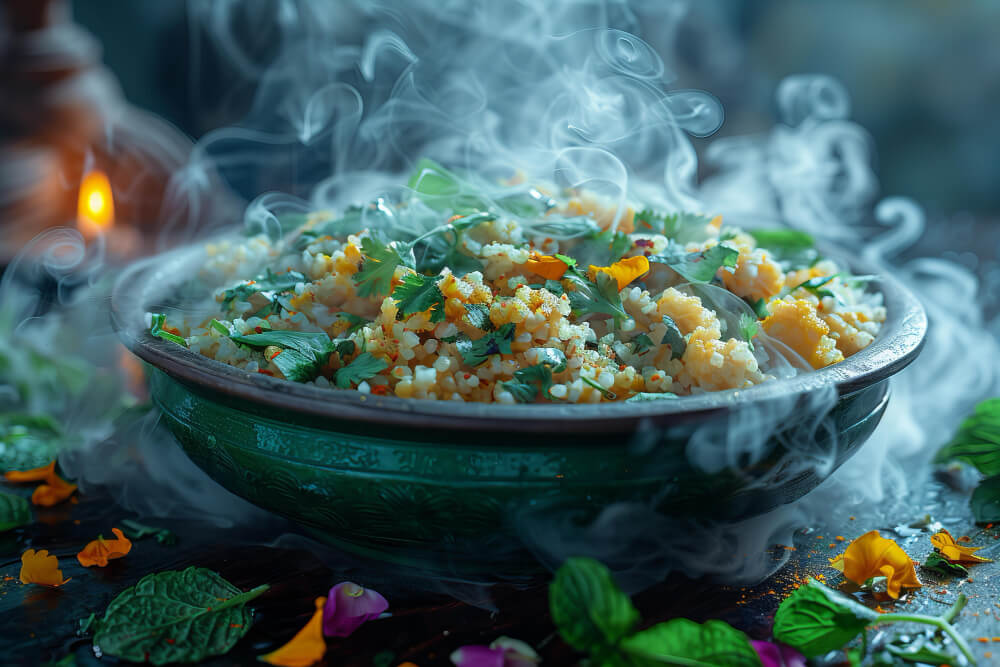
Samak rice is one of the most nutritious grains permitted during many fasting traditions. It is light on digestion while supplying steady energy.
It works well in khichdi, pulao, or porridge and can become a regular part of a balanced fasting meal.
- Rich in complex carbohydrates for sustained energy.
- Contains fibre that supports digestion.
- Keeps you full for longer compared to refined starches.
2. Curd and Buttermilk
Curd offers an excellent combination of protein, calcium, and probiotics that support digestive health during fasting.
It also helps cool the body during humid monsoon weather, making it suitable for Shravan fasting.
- Supports gut-friendly bacteria.
- Provides good-quality protein.
- Helps maintain hydration when consumed as buttermilk.
3. Fresh Fruits
Seasonal fruits provide natural sugars along with vitamins, antioxidants, and hydration that help maintain energy without processed sweets.
Different fruits also contribute potassium and vitamin C, supporting normal body functions throughout the day.
- Bananas provide sustained energy.
- Papaya supports digestion.
- Apples and pomegranates supply antioxidants.
4. Nuts and Seeds
Almonds, walnuts, peanuts, pumpkin seeds, and flaxseeds deliver healthy fats together with protein and minerals.
A small serving can satisfy hunger between meals while supporting heart and brain health.
- Rich source of healthy fats.
- Provides magnesium and vitamin E.
- Offers lasting satiety.
5. Sweet Potato
Sweet potato is naturally sweet, filling, and packed with complex carbohydrates, making it a healthier alternative to deep-fried fasting snacks.
It fits comfortably into a balanced healthy fasting diet and supports sustained energy release.
- High in fibre.
- Good source of vitamin A and potassium.
- Can be boiled, roasted, or lightly sautéed instead of fried.
Scientific evidence consistently shows that meals containing adequate fibre, protein, and complex carbohydrates improve satiety, help regulate blood sugar, and support better energy balance during fasting periods. This makes food quality just as important as meal timing. For personalised dietary adjustments during festivals, professionals at Aura the Diet Clinic can recommend a plan based on your health status and fasting practices.
Which Foods Should You Avoid During Fasting?
While fasting is a spiritual practice, unhealthy food choices can leave you feeling sluggish, dehydrated, or uncomfortable. Many popular fasting snacks are high in sugar, salt, or unhealthy fats, making them unsuitable for a balanced Paryushan diet or any nutritious fasting routine. Limiting these foods helps your body stay energised and supports better fasting nutrition throughout the day.
1. Deep-Fried Sabudana Snacks
Sabudana itself can be nutritious when cooked properly, but deep frying increases unnecessary fat intake.
Instead, prepare it with minimal oil to retain its nutritional value.
- Adds excess calories without improving nutrition.
- May cause bloating and acidity.
- Can lead to post-meal tiredness.
2. Sugary Fasting Sweets
Many vrat-friendly sweets contain refined sugar that causes quick energy spikes followed by sudden crashes.
Choosing naturally sweet fruits is a healthier option.
- Raises blood sugar rapidly.
- Increases unnecessary calorie intake.
- Offers very little fibre.
3. Packaged Fasting Chips
Ready-made potato or tapioca chips are often high in sodium and unhealthy fats.
Preparing homemade roasted snacks is a much better alternative.
- High in salt.
- Low nutritional value.
- May contribute to dehydration.
4. Sweetened Beverages
Soft drinks, packaged juices, and sugary milkshakes provide calories without enough nutrients.
Water, coconut water, or fresh buttermilk are better choices.
- Contains excessive added sugar.
- Does not keep you full.
- Can worsen dehydration.
5. Excess Tea and Coffee
Too much caffeine during fasting may increase dehydration and stomach discomfort.
Moderation is the key.
- Can trigger acidity.
- May interfere with hydration.
- Sometimes it causes restlessness.
If you're unsure how to build a personalised fasting routine, consult Hons. (Dr) Saurabh Kaushik at Aura the Diet Clinic for guidance that matches your health goals and religious practices.
What Hydration Tips Help During Fasting?
Proper hydration is just as important as food choices. Following these festival fasting tips can reduce fatigue and support overall well-being.
- Start your day with 2 to 3 glasses of water before fasting begins.
- Include coconut water or lemon water after breaking the fast.
- Drink buttermilk or unsweetened lassi to replenish fluids.
- Eat water-rich fruits such as watermelon, muskmelon, and cucumber.
- Avoid consuming large amounts of caffeine during fasting hours.
What is the Best Meal Timing While Fasting?
A structured fasting diet plan helps maintain energy and prevents overeating after breaking the fast.
| Time | What to Have |
|---|---|
| 5:30 AM to 6:30 AM | Warm water followed by soaked almonds, walnuts, fruit, and curd with samak porridge or sweet potato. |
| 10:00 AM | Coconut water or buttermilk if your fasting practice permits. |
| 1:00 PM | Samak khichdi with curd, cucumber, and roasted peanuts. |
| 4:00 PM | Fresh fruit with a handful of mixed nuts and seeds. |
| 7:00 PM to 8:00 PM | Light meal with roasted sweet potato, paneer, vegetables allowed during fasting, and plenty of fluids. |
How Should People With Diabetes or Thyroid Conditions Fast Safely?
People with medical conditions require extra care during fasting. These festival fasting tips can help reduce health risks.
- Consult your doctor before beginning any fast.
- Monitor blood sugar regularly if you have diabetes.
- Take thyroid medication at the prescribed time.
- Avoid skipping protein-rich meals after breaking the fast.
- Stay hydrated and never ignore dizziness or weakness.
Frequently Asked Questions
- Is a healthy fasting diet suitable for everyone?
Most healthy adults can fast safely with proper planning. However, pregnant women, elderly individuals, children, and people with chronic illnesses should seek medical advice before fasting.
- What are the best healthy fasting foods for Shravan?
Fresh fruits, curd, samak rice, sweet potato, nuts, seeds, and milk are among the most nutritious options during Shravan fasting.
- How can I improve fasting nutrition without feeling hungry?
Include protein-rich dairy products, fibre-rich fruits, healthy fats from nuts, and drink adequate fluids. Balanced meals help control hunger for longer.
- Can I follow a Paryushan diet if I have diabetes?
Yes, but it should be planned carefully under medical supervision. Avoid sugary fasting foods and monitor blood glucose regularly.
- How do festival fasting tips help maintain energy?
Simple practices like eating balanced meals, drinking enough fluids, avoiding fried foods, and maintaining regular meal timings help reduce fatigue and improve overall comfort during fasting.
Conclusion
Observing Shravan and Paryushan is a meaningful spiritual journey, but your health deserves equal attention. A thoughtfully planned healthy fasting diet built around wholesome ingredients, balanced meals, proper hydration, and mindful eating can help you stay active throughout the fasting period.
Whether you follow a Shravan fasting diet, a balanced vrat diet, or a traditional Paryushan diet, choosing nutritious foods instead of processed alternatives supports better health. For personalised dietary guidance during fasting, Aura the Diet Clinic and Hons. (Dr) Saurabh Kaushik can help you create a safe and sustainable approach that suits your nutritional needs.

Related posts
-
What is the Best Diet for Muscle Gain? A Dietitian’s Guide
The best diet for muscle gain is often the missing piece for people who spend hours in...
-
What Does Garbha Mean in Pregnancy and Garba?
What does garbha mean in pregnancy? It is the Sanskrit word for womb, embryo and the...
-
What is the Best Navratri Fasting Menu?
The Navratri fasting menu is best when it combines fasting-friendly carbohydrates,...