Can Poor Air Quality Slow Metabolism? What Research Suggests
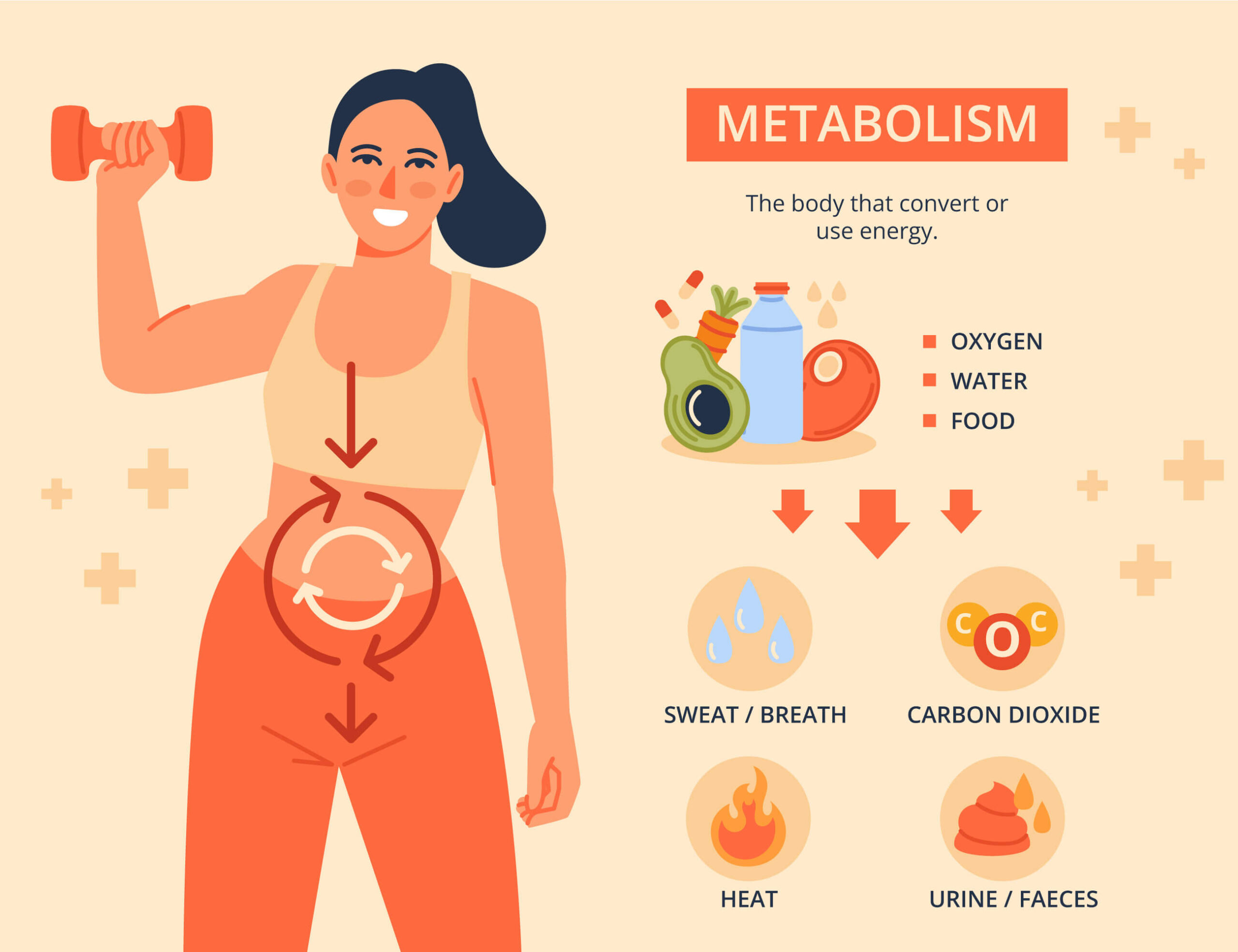
Have you ever wondered whether the thick haze outside could be doing more than hurting your lungs? For many people living in polluted cities, breathing everyday air may silently affect how their body processes energy. Recent scientific studies show that prolonged exposure to poor air quality is linked not only to lung and heart problems, but also to weight gain, altered fat distribution and disrupted metabolism.
With growing concerns over increasing obesity and metabolic disorders worldwide, it is worth asking: can poor air quality slow metabolism? This question is especially relevant for people who struggle to maintain weight, despite following diet or exercise routines.
What Research Says About Air Pollution and Metabolic Health
Multiple recent studies and reviews point to a troubling link between exposure to air pollution especially fine particulate matter such as PM₂.₅ and metabolic dysfunction.
- A comprehensive review summarises evidence that long-term ambient air pollution increases the risk of metabolic syndrome characterised by abdominal obesity, high blood pressure, altered lipid levels and impaired glucose regulation.
- Experimental and human studies show that pollutants can trigger inflammation, oxidative stress and metabolic disruptions in fat tissues, liver and muscle.
- One 2023 study of Chinese adults found a strong association between exposure to air pollutants and increases in weight and waist circumference.
These findings suggest that poor air quality may not only make healthy metabolism harder, it could actively shift body systems toward storing fat, resisting insulin and gaining weight.
How Poor Air Quality Might Slow Metabolism
Inflammation, Oxidative Stress, Fat Accumulation
One proposed mechanism is that inhaling particulate pollutants causes chronic inflammation and oxidative stress in the body. This can lead to changes in adipose (fat) tissue: more energy-storing “white” fat may increase, while energy-burning “brown” fat may decrease.
Under these conditions:
- Fat accumulates more readily, especially around internal organs
- The body’s ability to use glucose properly becomes impaired
- Insulin resistance may develop, increasing the risk of metabolic disorders such as type 2 diabetes
Impaired Muscle Mass and Reduced Energy Use
In older adults, long-term exposure to ambient PM₂.₅ has been linked to a faster rate of muscle loss and reduced strength, along with an increase in body fat mass.
Loss of muscle mass reduces the number of metabolically active cells that burn calories which means even daily activities burn fewer calories over time.
Reduced Fat Burning Even With Normal Diet
Some analyses suggest that air pollution may reduce the body’s ability to burn calories efficiently making it easier to gain weight even when diet and activity remain unchanged.
In effect, poor air quality may tip the balance away from energy expenditure and toward fat storage.
Evidence From Human Populations
- A large-scale study in Chinese children and adolescents (over 160,000 participants) reported that prolonged exposure to multiple air pollutants correlated with higher rates of overweight and central obesity (abdominal fat) after adjusting for diet, activity, and socioeconomic factors.
- Another recent 2025 review of metabolic and cardiovascular health emphasized that chronic air pollution exposure is associated with metabolic syndrome and insulin resistance, potentially through inflammation and oxidative stress.
- In adolescents, a 2025 study found that changes in BMI linked to air pollution exposure helped explain a rise in insulin resistance, a precursor to diabetes.
These human-based observations support the idea that poor air quality may slow metabolism or at least make the body more prone to fat storage and metabolic dysfunction over time.
What It Means for You (Especially If You Monitor Your Health)
If you live in a city with moderate to high air pollution or often find yourself outdoors in dusty, polluted air, there are real implications for your metabolic health beyond just lungs and breathing.
- Even with a reasonable diet and physical activity, persistent exposure to polluted air might reduce how effectively your body burns calories.
- Over time, this may manifest as difficulty losing weight, increased fat around the belly or organs, or higher risk of insulin resistance.
- Less visible changes like subtle muscle loss, metabolic slowdown, or increased fat packing may be happening without you realizing it.
If you care about your metabolic health, it can help to consider air quality as one of the influencing factors, not just diet and exercise.
If you are looking for guidance on diet or metabolic balance in polluted environments, you may consult experts at Aura the Diet Clinic.
How To Protect Your Metabolic Health Even In Polluted Air
Here are some practical steps you can take if you live in areas with poor air quality:
- Monitor air quality indices (AQI) and try to limit outdoor exposure when pollution levels are high.
- Maintain a balanced diet rich in antioxidants, fresh fruits, vegetables, whole grains to help counter oxidative stress.
- Regular physical activity is vital. Exercise helps maintain muscle mass, which supports metabolism.
- If possible, use indoor air purifiers or masks on high-pollution days to reduce inhalation of fine particles.
- Pay attention to metabolic markers (weight, waist circumference, energy levels, blood sugar) over time even if you feel healthy now.
For tailored nutrition and lifestyle plans that consider environmental factors, reach out to Aura the Diet Clinic for professional help.
Conclusion
The growing body of research suggests that poor air quality does more than irritate lungs — it may interfere with how your body uses energy, how it stores fat, and how healthy your metabolism remains over time. From chronic inflammation and oxidative stress to reduced muscle mass and impaired fat burning, the harmful effects of polluted air can extend into metabolic health.
For anyone striving to maintain or improve metabolic balance, especially in urban settings with moderate or high pollution, it makes sense to view air quality as a real factor — along with diet, exercise, and lifestyle choices. If you are serious about metabolic health, addressing environmental exposure alongside nutrition and activity could make a meaningful difference.

