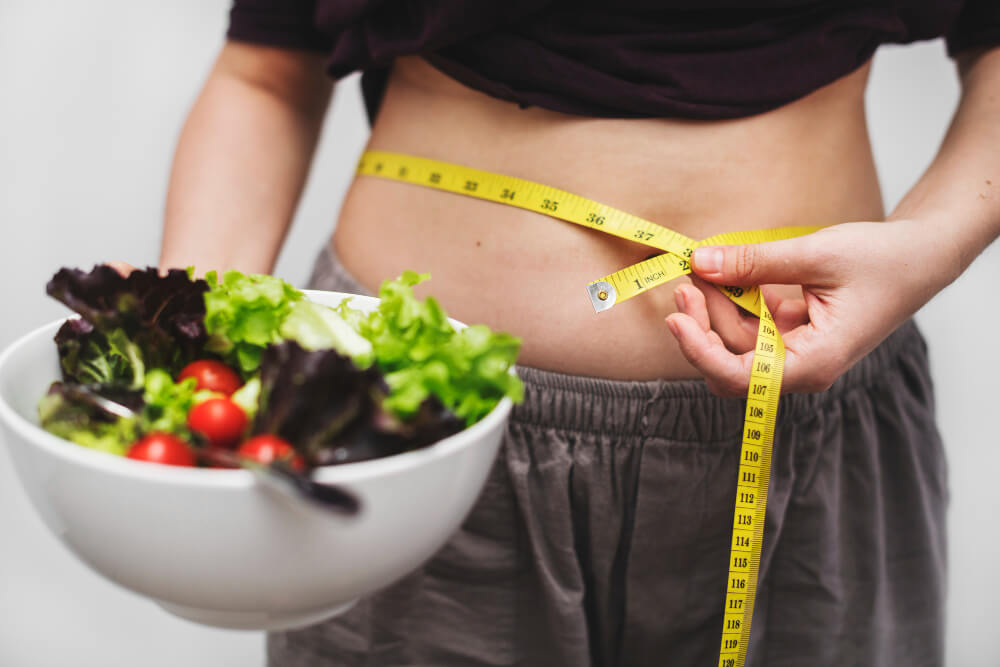
Is it possible to lose weight without going to the gym?

Yes. Many people successfully lose body fat without stepping inside a gym. The key is creating a consistent calorie deficit, where your body burns more calories than it consumes. When combined with nutritious meals, regular physical activity, quality sleep, and healthy routines, your body gradually uses stored fat for energy.
Is it possible to lose weight without going to the gym? If busy schedules, joint pain, or expensive memberships have kept you from exercising, you are not alone. The good news is that reaching a healthier weight does not always require lifting weights or spending hours on treadmills. Sustainable fat loss depends on the habits you follow every day. With the right eating pattern, regular movement, and consistency, you can achieve lasting results while improving your overall health.
The following practical strategies can help you build a routine that supports lasting results.
- Create a calorie deficit
- Focus on balanced meals
- Walk consistently every day
- Increase daily movement
- Prioritize protein
- Control portion sizes
- Stay hydrated
- Improve your sleep
- Reduce sugary drinks
- Practice mindful eating
- Track your progress
- Stay consistent instead of chasing perfection
Why Does Weight Loss Happen Even Without a Gym?
Many people assume gym workouts are the only path to losing weight. In reality, your body responds primarily to energy balance. Whether you exercise at home, walk outdoors, or stay active throughout the day, your body can still burn stored fat if you consistently consume fewer calories than you burn. Understanding this science helps you make smarter lifestyle choices rather than relying on intense workouts alone.
The Science Behind Weight Loss
Weight loss occurs when your body requires more energy than it receives from food. To meet that demand, it begins using stored fat as fuel. This biological process has been supported by decades of nutrition and metabolism research.
Several factors work together to influence fat loss:
- A consistent calorie deficit encourages your body to use stored fat for energy.
- Protein-rich meals help preserve muscle while reducing hunger.
- Daily movement increases total calorie expenditure, even without structured workouts.
- Quality sleep helps regulate hormones that control appetite and cravings.
- Consistent eating habits improve long-term success compared to restrictive crash diets.
If you're unsure how many calories or nutrients your body actually needs, consulting certified dietitians like Hons. (Dr) Saurabh Kaushik at Aura the Diet Clinic in Ahmedabad can help you create a sustainable approach based on your health goals instead of temporary diet trends.
What Are the Best Home Weight Loss Tips That Actually Work?
Building healthier habits at home often feels more realistic than following demanding workout plans. The good news is that small, consistent improvements usually deliver better long-term results than extreme changes. The following practical strategies are simple to follow and can easily become part of your daily routine.
1. Create a Consistent Calorie Deficit
The most effective starting point is maintaining a steady calorie deficit. You do not need to starve yourself. Instead, focus on eating slightly fewer calories than your body burns while still meeting your nutritional needs.
Practical ways to achieve this include:
- Fill half your plate with vegetables.
- Choose grilled or baked foods instead of fried options.
- Replace sugary snacks with fresh fruit.
- Avoid eating directly from large packages.
- Use smaller plates to naturally reduce portions.
2. Build Your Meals Around Nutritious Foods
Following a balanced diet for weight loss provides your body with essential nutrients while helping you stay satisfied for longer. Whole foods digest more slowly and reduce unnecessary snacking throughout the day.
To make healthier meals:
- Include lean protein with every meal.
- Add whole grains for steady energy.
- Include healthy fats such as nuts or seeds.
- Eat plenty of colourful vegetables.
- Limit highly processed packaged foods.
If you're finding it difficult to plan balanced meals, seeking personalised guidance from certified dietitians and nutritionists at Aura the Diet Clinic can help you build an eating plan that fits your lifestyle rather than forcing restrictive diets.
3. Make Daily Walking a Non-Negotiable Habit
Regular walking for weight loss is one of the easiest ways to increase calorie burn without feeling overwhelmed. Unlike intense workouts, walking is suitable for most age groups and requires no special equipment.
To make walking more effective:
- Aim for 7,000 to 10,000 steps daily if possible.
- Walk after meals to support blood sugar control.
- Use stairs whenever available.
- Park farther from entrances.
- Take short movement breaks during work hours.
4. Increase Everyday Physical Activity
Many calories are burned through normal daily movement rather than formal exercise sessions. Activities like cleaning, gardening, climbing stairs, cooking, and household chores all contribute to your daily energy expenditure.
Simple ways to stay active include:
- Stand while taking phone calls.
- Stretch every hour during desk work.
- Do household chores with extra energy.
- Spend more time outdoors.
- Reduce prolonged sitting whenever possible.
5. Prioritize Protein at Every Meal
Protein plays an important role in preserving muscle while your body loses fat. It also has a higher thermic effect than carbohydrates or fats, meaning your body uses more energy to digest it. In addition, protein helps you stay full for longer, making it easier to avoid unnecessary snacking.
To include more protein in your routine:
- Add eggs, paneer, tofu, fish, chicken, or legumes to meals.
- Include a protein-rich breakfast instead of sugary cereals.
- Pair fruits with Greek yogurt or roasted chana for snacks.
- Spread protein intake evenly throughout the day.
- Avoid relying only on protein supplements unless advised by a professional.
6. Practice Better Portion Control
You do not have to eliminate your favorite foods to achieve fat loss naturally. Eating appropriate portions allows you to enjoy a variety of foods while maintaining a sustainable eating pattern.
A few simple habits can make a big difference:
- Eat slowly and stop when comfortably full.
- Serve food on a plate instead of eating from the package.
- Fill your plate with vegetables before adding calorie-dense foods.
- Avoid distractions like television or mobile phones while eating.
- Wait a few minutes before taking a second serving.
7. Stay Hydrated Throughout the Day
Many people mistake thirst for hunger, leading to unnecessary eating. Drinking enough water supports digestion, helps regulate body temperature, and may reduce overeating before meals.
Healthy hydration habits include:
- Begin your morning with a glass of water.
- Carry a reusable water bottle throughout the day.
- Drink water before meals.
- Choose water over sugary beverages whenever possible.
- Increase fluid intake during hot weather or after physical activity.
8. Improve Your Sleep Quality
Sleep is often overlooked, yet it plays a significant role in weight management. Research suggests that inadequate sleep can disrupt hunger hormones such as ghrelin and leptin, increasing cravings and making healthy choices more difficult.
Better sleep habits include:
- Sleep for 7 to 9 hours every night.
- Maintain a consistent bedtime schedule.
- Avoid caffeine late in the evening.
- Keep electronic devices away before sleeping.
- Create a cool, dark, and quiet sleeping environment.
9. Reduce Sugary Drinks
Soft drinks, sweetened coffee, energy drinks, and packaged fruit juices often provide large amounts of calories without making you feel full. Replacing these beverages with healthier options can significantly reduce daily calorie intake.
Better beverage choices include:
- Plain water.
- Lemon-infused water without added sugar.
- Unsweetened green tea.
- Black coffee in moderation.
- Homemade buttermilk without excess salt.
10. Eat Mindfully Instead of Emotionally
Mindful eating helps you recognize genuine hunger and fullness cues rather than eating out of stress, boredom, or habit. Over time, this simple practice can improve your relationship with food and support long-term weight management.
Try these mindful eating habits:
- Chew food slowly.
- Focus on the taste and texture of meals.
- Avoid multitasking while eating.
- Identify emotional triggers before reaching for snacks.
- Keep healthy snack options readily available.
11. Track Your Progress Regularly
Successful weight loss is not measured only by the number on the scale. Tracking different aspects of your progress keeps you motivated and helps identify habits that need improvement.
Useful ways to monitor progress include:
- Record your meals in a food diary.
- Measure your waist circumference monthly.
- Take progress photos every few weeks.
- Track your daily steps.
- Celebrate improvements in energy and fitness, not just weight.
If your progress has stalled despite consistent effort, a qualified nutrition expert such as Hons. (Dr) Saurabh Kaushik at Aura the Diet Clinic can help identify obstacles and create a personalised plan based on your health, routine, and goals.
12. Stay Consistent Instead of Being Perfect
The most successful people are not those who follow a perfect routine. They are the ones who continue making healthy choices even after occasional setbacks. Consistency builds lasting habits that support lifelong health.
Remember to:
- Focus on progress rather than perfection.
- Resume healthy habits after special occasions.
- Set realistic weekly goals.
- Celebrate small milestones.
- Build routines you can maintain for years, not weeks.
Which Foods Should You Prioritize to Support Weight Loss?
Choosing nutrient-dense foods makes it easier to stay satisfied while supporting your overall health. Instead of cutting out entire food groups, focus on foods that provide protein, fibre, vitamins, and minerals. These options help control hunger, improve digestion, and make healthy eating habits easier to maintain.
1. Eggs
Eggs are rich in high-quality protein and essential amino acids. Studies suggest that a protein-rich breakfast can increase satiety and reduce calorie intake later in the day.
2. Greek Yogurt
Greek yogurt contains significantly more protein than regular yogurt while also providing probiotics that support gut health. Its creamy texture makes it a filling snack or breakfast option.
3. Lentils and Beans
Lentils, chickpeas, kidney beans, and other legumes provide a combination of plant protein and dietary fibre. This combination slows digestion, helps stabilize blood sugar levels, and keeps you full for longer.
4. Leafy Green Vegetables
Spinach, fenugreek, kale, and other leafy greens are low in calories but rich in fibre, vitamins, and antioxidants. They add volume to meals without adding excessive calories.
5. Oats
Oats contain beta-glucan, a soluble fibre known to promote fullness and support heart health. They provide slow-releasing carbohydrates that help maintain energy throughout the day.
For individuals looking for a personalised diet for weight loss, professionals at Aura the Diet Clinic can recommend meal plans based on age, activity level, medical history, and nutritional requirements.
Which Lifestyle Habits Help Maintain Long-Term Results?
Healthy weight management is influenced by everyday routines as much as food choices. Along with balanced nutrition and regular movement, these lifestyle habits support sustainable progress.
- Manage daily stress effectively.
- Maintain a consistent sleep schedule.
- Plan meals ahead of time.
- Limit late-night snacking.
- Spend less time sitting continuously.
- Stay physically active throughout the day.
- Cook more meals at home.
- Practice mindful eating regularly.
- Stay patient with gradual progress.
Frequently Asked Questions
- Can I lose weight without exercising?
Yes. While exercise improves overall fitness and health, weight loss primarily depends on maintaining a calorie deficit. Eating balanced meals, controlling portions, and staying active throughout the day can help many people achieve sustainable results without formal workouts.
- Is walking enough to lose weight?
For many people, walking for weight loss can be highly effective when combined with healthy eating. Brisk walking increases daily calorie expenditure, improves heart health, and is easier to maintain consistently than intense exercise programs.
- What is the best diet for weight loss?
There is no single diet that works for everyone. The best diet for weight loss is one that provides enough protein, fibre, healthy fats, whole grains, fruits, and vegetables while creating a moderate calorie deficit. Most importantly, it should be practical enough to follow long term.
- How long does it take to notice weight loss?
The timeline varies depending on age, metabolism, starting weight, activity level, and eating habits. Health experts generally consider losing around 0.5 to 1 kg per week to be a safe and sustainable pace for most adults. Rapid weight loss is often difficult to maintain and may result in muscle loss.
- When should I consult a dietitian?
If you have medical conditions, struggle with repeated weight gain, or feel confused by conflicting nutrition advice, consulting a qualified dietitian can help. For personalized nutrition guidance, many people seek support from Hons. (Dr) Saurabh Kaushik at Aura the Diet Clinic, where plans are tailored to individual health needs and lifestyle.
Conclusion
Is it possible to lose weight without going to the gym? Absolutely. Sustainable weight loss is built on everyday habits rather than expensive memberships or intense workouts. By maintaining a healthy calorie deficit, eating nutritious meals, staying physically active, sleeping well, and remaining consistent, you can achieve meaningful progress over time.
If you're unsure where to begin or want a plan designed specifically for your body and goals, consulting experienced professionals at Aura the Diet Clinic can provide practical guidance. Hons. (Dr) Saurabh Kaushik can help create a personalized approach that focuses on long-term health instead of quick fixes.

Related posts
-
Can Navratri Fasting Help You Lose Weight?
Can Navratri fasting help you lose weight? Yes, it really can, modestly, provided your...
-
Fasting This Navratri? Try These 15 Weight-Loss Friendly Foods
Weight loss foods for Navratri fasting are mostly light, fibre-rich and protein-friendly...
-
Is It Possible to Lose 18 to 22 Kg in 6 Months? A Dietitian Answers
Some people can lose between 18 and 22 kg in six months, as long as they’re working...