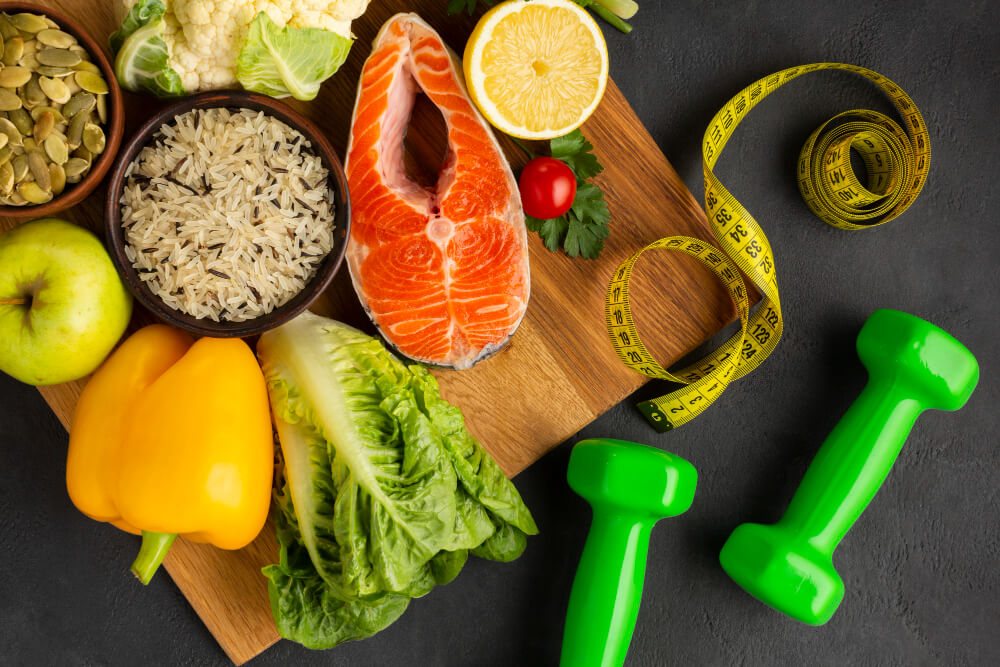
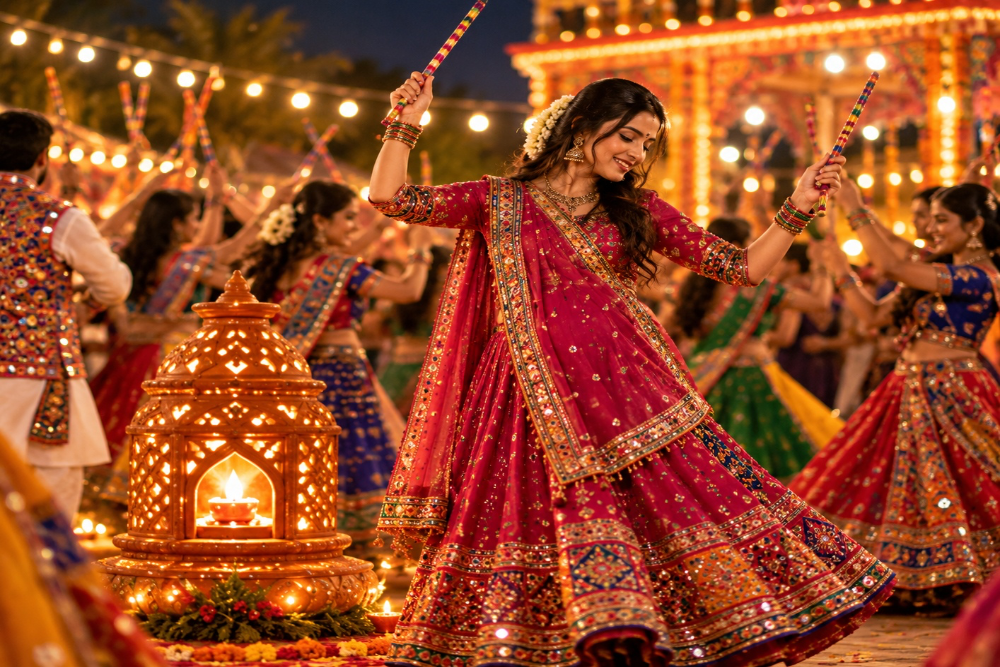
Fasting During Festivals: Healthy Fasting Tips & Diet Guide
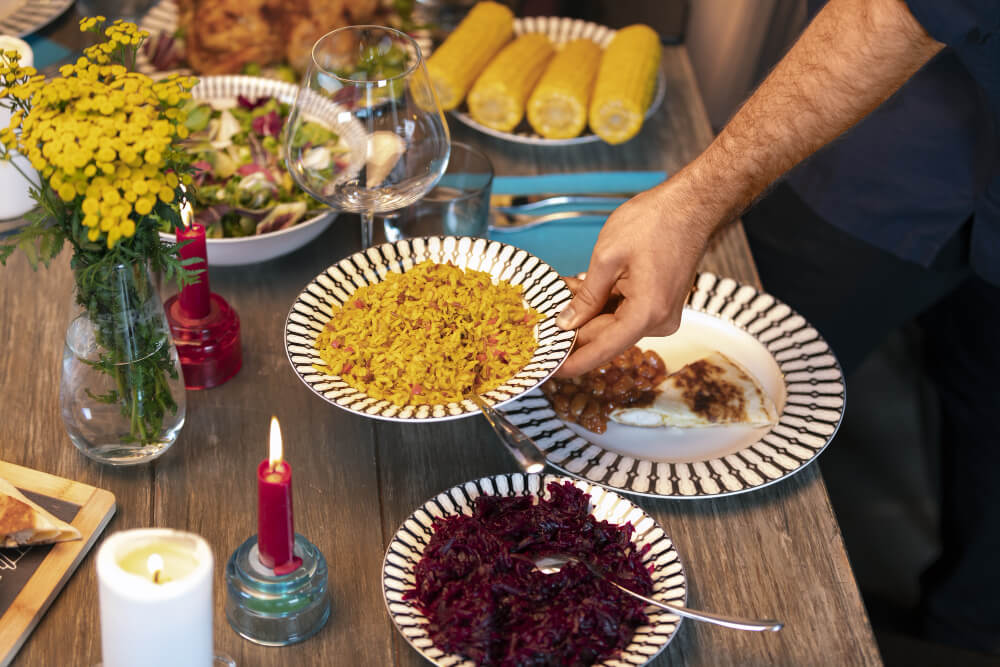
Fasting during festivals can be healthy when planned correctly. Choosing nutrient-dense fasting foods, staying hydrated, and balancing your meals before and after the fast help maintain energy levels while respecting religious traditions. Scientific evidence also suggests that mindful fasting may support metabolic health when essential nutrients and hydration are not compromised.
Fasting during festivals often feels challenging when hunger, cravings, and changing meal timings affect your energy throughout the day. Many people unknowingly rely on fried vrat snacks or sugary drinks that provide temporary fullness but little nutrition. A balanced fasting approach helps you stay energetic without compromising your traditions. Research suggests that well-planned fasting, paired with adequate hydration and nutrient-rich foods, can support better metabolic health while making festival celebrations healthier and more enjoyable.
How can you stay healthy while fasting during festivals?
Fasting does not mean depriving your body of nutrition. Instead, it is an opportunity to eat mindfully and choose foods that provide sustained energy. A well-balanced fasting plan focuses on complex carbohydrates, healthy fats, protein, hydration, and portion control rather than simply avoiding regular meals.
Following these simple principles can help you fast safely.
Choose nutrient-rich foods
The quality of food matters more than the quantity during fasting. Foods rich in protein, fibre, vitamins, and minerals help reduce hunger while keeping blood sugar relatively stable.
- Include milk, curd, paneer, or unsweetened yogurt.
- Add roasted peanuts and nuts in moderate portions.
- Choose fruits instead of sweets for natural sugars.
- Include coconut and seeds for healthy fats.
Stay hydrated throughout the day
Even mild dehydration can contribute to fatigue and headaches during fasting.
- Drink enough water before beginning your fast.
- Include coconut water if permitted.
- Opt for lemon water without added sugar whenever appropriate.
- Avoid excessive caffeinated beverages.
If you experience frequent weakness during fasting, consulting experts like Hons. (Dr) Saurabh Kaushik at Aura the Diet Clinic can help you build a fasting plan suited to your health needs.
What can you eat during fasting for better nutrition? (healthy fasting foods)
Traditional fasting foods can be nutritious when prepared wisely. Instead of depending on deep-fried options, focus on naturally wholesome ingredients that provide lasting energy.
Here are healthier choices to include.
1. Fresh fruits
Fruits supply natural carbohydrates, antioxidants, vitamins, and water that help maintain energy.
- Banana provides quick energy and potassium.
- Apple offers fibre for better satiety.
- Papaya supports digestion.
- Pomegranate contributes antioxidants.
2. Dairy products
Milk and dairy provide protein and calcium that support muscle health and fullness.
- Low-fat curd
- Buttermilk where permitted
- Paneer in moderate portions
- Unsweetened lassi
3. Nuts and seeds
Healthy fats help slow digestion and improve satiety.
- Almonds
- Walnuts
- Pumpkin seeds
- Flaxseeds
4. Fasting grains
Several traditional fasting grains are naturally gluten-free and nutrient-rich.
- Samak rice
- Rajgira
- Buckwheat flour
- Singhara flour
Scientific studies indicate that whole grains and fibre-rich foods contribute to slower digestion, supporting better appetite control compared to refined carbohydrates.
Which alternate fasting foods provide lasting energy? (vrat diet)
Many traditional fasting recipes can be modified to become healthier without compromising taste. The goal is to increase nutrient density while reducing unnecessary fats and refined sugar.
The following alternatives work well.
1. Replace fried snacks
Instead of consuming fried sabudana vada regularly, consider lighter preparations.
- Roasted makhana
- Baked sweet potato
- Steamed sweet potato chaat
- Roasted peanuts
2. Choose protein-rich options
Protein helps reduce hunger during prolonged fasting.
- Paneer cubes
- Greek yogurt
- Peanut curd dip
- Milk smoothies without added sugar
3. Prefer natural sweeteners
Many fasting desserts contain excessive sugar.
Healthier alternatives include:
- Fresh fruits
- Dates in moderation
- Small portions of jaggery where appropriate
At Aura the Diet Clinic, nutrition professionals often recommend balancing traditional recipes with nutrient-rich ingredients rather than eliminating favourite foods completely.
How can you balance your diet on a fasting day?
Balancing meals before and after fasting is equally important. Eating excessively after breaking the fast may cause digestive discomfort and sudden blood sugar fluctuations.
The following habits make fasting more comfortable.
1. Eat a balanced pre-fast meal
A nourishing meal before fasting helps maintain energy for longer.
- Include protein.
- Add healthy fats.
- Eat fibre-rich fruits.
- Drink sufficient water.
2. Break the fast gradually
Avoid overeating immediately after fasting.
- Start with water.
- Eat fruits first.
- Wait before consuming a larger meal.
- Control portion sizes.
3. Include vegetables whenever permitted
Vegetables improve fibre intake and provide essential micronutrients.
Examples include:
- Bottle gourd
- Pumpkin
- Cucumber
- Tomato
Clinical nutrition guidelines suggest that balanced meals containing protein, fibre, and healthy fats promote steadier blood glucose levels than meals dominated by refined carbohydrates.
If you have diabetes, thyroid disorders, PCOS, or other medical conditions, seek personalised fasting advice from Hons. (Dr) Saurabh Kaushik at Aura the Diet Clinic before making significant dietary changes.
Conclusion
Fasting during festivals can support both spiritual well-being and healthy eating when approached thoughtfully. Choosing wholesome foods, maintaining hydration, including protein-rich ingredients, and avoiding excessive fried or sugary snacks help sustain energy throughout the day. A balanced fasting routine respects traditional practices while protecting your nutritional needs. When fasting is planned carefully, it becomes easier to celebrate festivals without compromising your health.
Frequently Asked Questions
1. Is fasting during festivals healthy?
Yes. A properly planned fast that includes balanced nutrition, adequate hydration, and portion control can be healthy for most individuals. Those with medical conditions should seek professional guidance.
2. What are the healthiest foods to eat during a fasting day?
Fresh fruits, milk, curd, paneer, nuts, seeds, makhana, sweet potato, rajgira, and samak rice are among the most nutritious fasting-friendly options.
3. Can I exercise while fasting during festivals?
Light activities such as walking or stretching are generally suitable. High-intensity workouts may increase fatigue, especially if fluid intake is limited.
4. Who should avoid fasting during festivals?
Pregnant women, young children, older adults with frailty, individuals with uncontrolled diabetes, chronic kidney disease, or those recovering from illness should consult a healthcare professional before fasting.

Related posts
-
What is the Best Diet for Muscle Gain? A Dietitian’s Guide
The best diet for muscle gain is often the missing piece for people who spend hours in...
-
How Does Sudden Cardiac Death Happen?
Sudden cardiac death happens when a dangerous heart rhythm abruptly stops the heart from...
-
What Does Garbha Mean in Pregnancy and Garba?
What does garbha mean in pregnancy? It is the Sanskrit word for womb, embryo and the...