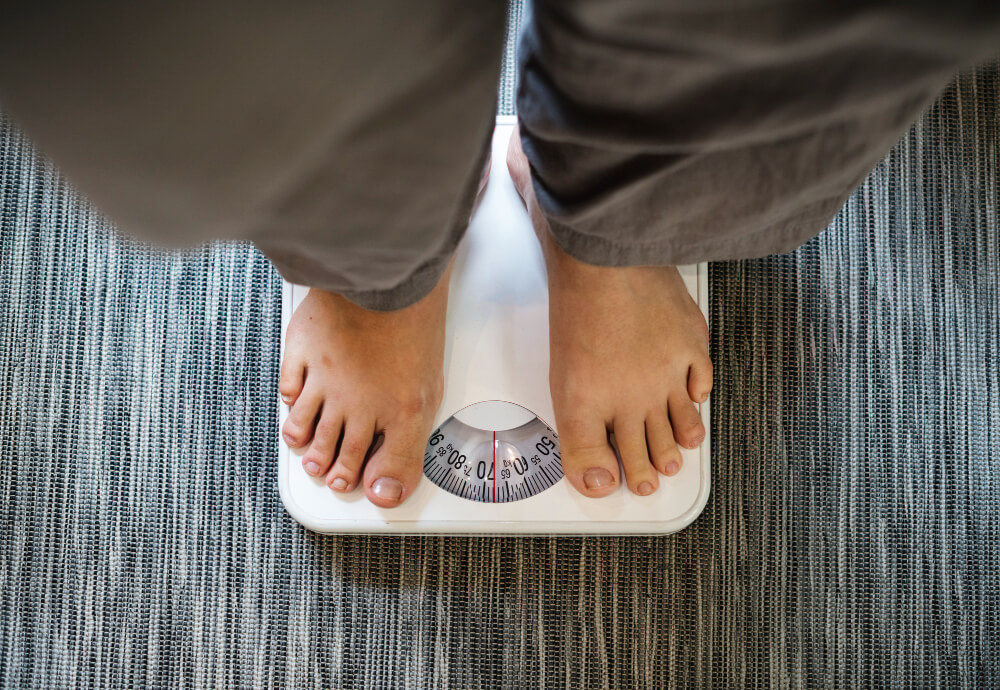
Can Sleeping Less Than 6 Hours Cause Weight Gain?

Yes, regularly sleeping less than 6 hours may make weight management more difficult by disrupting appetite hormones, increasing cravings, lowering energy levels, and affecting how your body uses calories. Over time, poor sleep can encourage overeating, reduce physical activity, and make maintaining a healthy weight more challenging.
Sleep deprivation and weight gain often become a frustrating cycle for people trying to maintain a healthy lifestyle. You may be eating well and exercising regularly, yet still struggle to see results because your sleep is falling short. Research suggests that consistently getting fewer than six hours of sleep can affect hunger hormones, food choices, and energy expenditure. Understanding this connection is the first step toward making lasting improvements for your overall health.
Does Sleeping Less Than 6 Hours Really Cause Weight Gain?
- It increases hunger hormones.
- It lowers the hormone that signals fullness.
- It increases cravings for high-calorie foods.
- It slows daily energy expenditure.
- It affects blood sugar regulation.
- It reduces motivation for physical activity.
Why Does Sleeping Less Than 6 Hours Increase the Risk of Weight Gain?
Research consistently shows that adults who regularly sleep fewer than six hours are more likely to gain excess weight over time. While sleep alone is not the only factor, it directly influences hormones, appetite, and everyday decisions that affect body weight. Understanding these mechanisms makes it easier to take practical steps toward better health.
1. Hunger Hormones Become Imbalanced
One of the strongest links between sleep deprivation and weight gain is its effect on hormones that control appetite. Sleep restriction increases ghrelin, the hormone that stimulates hunger, while reducing leptin, which signals fullness.
As a result, you may:
- Feel hungry even after eating.
- Snack more frequently throughout the day.
- Consume larger meal portions without realizing it.
- Find it harder to stop eating when full.
2. Cravings Become Harder to Control
After a night of lack of sleep, your brain becomes more responsive to rewarding foods such as sweets, fried snacks, and processed meals. At the same time, the areas responsible for self-control become less active.
This often leads to:
- Increased sugar cravings.
- Preference for fast food over balanced meals.
- Late-night snacking.
- More emotional eating during stressful situations.
If food cravings seem uncontrollable despite following a balanced diet, consulting experts like Aura the Diet Clinic can help identify whether sleep patterns may be contributing to your eating habits.
3. Your Body Burns Fewer Calories
Although sleeping uses energy, consistently getting too little rest may reduce your overall daily calorie expenditure. Feeling tired often results in fewer spontaneous movements, lower workout intensity, and increased sedentary time.
Common changes include:
- Skipping morning workouts.
- Sitting for longer periods.
- Feeling physically exhausted during daily activities.
- Reduced motivation to stay active.
These small changes can gradually contribute to weight gain causes that are often overlooked.
4. Blood Sugar Regulation Becomes Less Efficient
Another important aspect of metabolism and sleep is how your body processes glucose. Studies have found that even a few nights of inadequate sleep can temporarily reduce insulin sensitivity, making it harder for cells to use glucose efficiently.
Over time, this may:
- Increase hunger soon after meals.
- Cause energy crashes.
- Encourage overeating.
- Make weight management more challenging.
5. Stress Hormones Remain Elevated
Poor-quality sleep can increase cortisol, the body's primary stress hormone. Higher cortisol levels are associated with greater appetite and increased storage of abdominal fat, especially when combined with chronic stress.
People experiencing prolonged sleep deprivation may notice:
- Increased cravings during stressful situations.
- Greater difficulty maintaining healthy routines.
- Reduced recovery after exercise.
- More fatigue throughout the day.
6. Fatigue Reduces Healthy Lifestyle Choices
When you wake up feeling exhausted, healthy decisions often become more difficult. Instead of preparing nutritious meals or staying active, convenience usually becomes the priority.
Some common poor sleep effects include:
- Ordering takeaway more often.
- Drinking extra caffeinated beverages.
- Skipping exercise sessions.
- Spending more time resting than moving.
These habits gradually reinforce the relationship between sleep deprivation and weight gain, making long-term progress more difficult.
How Can You Recognize the Signs of Sleep Deprivation?
Missing out on quality sleep does more than leave you feeling tired. Over time, sleep deprivation can affect concentration, mood, appetite, and physical performance. Recognizing these signs early allows you to make simple lifestyle changes before they begin affecting your health. Here are some of the most common indicators and how you can identify them.
1. You Wake Up Feeling Tired Every Morning
Feeling exhausted despite spending several hours in bed is one of the earliest warning signs. Good sleep should leave you refreshed, not drained.
You can identify this by noticing whether you:
- Need multiple alarms to wake up.
- Feel sleepy within a few hours of waking.
- Depend heavily on caffeine to stay alert.
- Struggle to start your daily routine.
2. You Feel Hungry More Often Than Usual
One of the lesser-known poor sleep effects is an increase in appetite. Sleep loss can make your brain seek quick energy from sugary and high-calorie foods.
Signs include:
- Frequent snacking between meals.
- Craving sweets late at night.
- Feeling hungry shortly after eating.
- Difficulty controlling portion sizes.
3. You Find It Hard to Focus
Sleep plays an important role in memory, learning, and concentration. Without enough rest, even simple tasks may feel mentally exhausting.
You may notice:
- Difficulty remembering conversations.
- Trouble completing routine work.
- Frequent mistakes.
- Reduced productivity throughout the day.
4. Your Mood Changes Quickly
Poor sleep doesn't just affect the body. It also influences emotional well-being. People who consistently sleep less often experience irritability and reduced patience.
Common signs include:
- Feeling frustrated easily.
- Increased stress.
- Low motivation.
- Difficulty managing emotions.
5. You Frequently Catch Colds
Sleep supports the immune system by allowing the body to repair itself. If you're getting sick more often, inadequate sleep could be one of several contributing factors.
Watch for:
- Frequent seasonal infections.
- Longer recovery from illness.
- Persistent fatigue after mild sickness.
- Reduced energy despite proper nutrition.
6. Your Exercise Performance Declines
Recovery happens during sleep. If your workouts suddenly feel harder than usual, your body may not be getting enough time to repair muscles and restore energy.
Some indicators include:
- Reduced endurance.
- Muscle soreness lasting longer.
- Feeling weak during exercise.
- Slower recovery after workouts.
If you're trying to improve your overall health but aren't seeing results, professionals at Aura the Diet Clinic, led by Hons. (Dr) Saurabh Kaushik, can help you understand how nutrition and sleep work together for sustainable weight management.
What Are 10 Effective Ways to Improve Your Sleep?
Improving sleep doesn't always require major lifestyle changes. Small, consistent adjustments often make the biggest difference over time. Developing healthy sleep habits can improve sleep quality, support better energy levels, and make weight management easier. Below are ten practical strategies that are easy to incorporate into your daily routine.
1. Follow a Consistent Sleep Schedule
Going to bed and waking up at the same time every day helps regulate your internal body clock. Try to:
- Keep the same bedtime, even on weekends.
- Wake up at a consistent hour.
- Avoid sleeping in after late nights.
2. Reduce Screen Time Before Bed
Blue light from phones, tablets, and laptops can interfere with melatonin production. Helpful practices include:
- Turning off screens at least one hour before bed.
- Reading a book instead.
- Using dim lighting during the evening.
3. Limit Caffeine in the Evening
Caffeine can remain in your system for several hours and delay sleep. Consider:
- Avoiding coffee after mid-afternoon.
- Choosing herbal tea at night.
- Checking hidden caffeine in soft drinks and chocolate.
4. Create a Relaxing Bedtime Routine
A calming routine signals your brain that it's time to wind down. You might:
- Take a warm shower.
- Practice deep breathing.
- Listen to calming music.
- Read for a few minutes.
5. Keep Your Bedroom Comfortable
A quiet, cool, and dark environment encourages better sleep. Small improvements include:
- Using blackout curtains.
- Reducing outside noise.
- Keeping the room comfortably cool.
6. Exercise Regularly
Regular physical activity supports metabolism and sleep while helping you fall asleep more easily. Aim to:
- Walk daily.
- Include strength training a few times a week.
- Finish intense workouts at least a few hours before bedtime.
7. Avoid Heavy Meals Late at Night
Large meals close to bedtime may cause discomfort and interfere with restful sleep. Instead:
- Eat dinner two to three hours before sleeping.
- Choose lighter evening meals.
- Limit spicy and greasy foods late at night.
8. Manage Daily Stress
Stress often keeps the mind active long after bedtime. Simple techniques include:
- Journaling.
- Meditation.
- Gentle stretching.
- Practising gratitude before sleep.
9. Get Morning Sunlight
Natural sunlight helps regulate your circadian rhythm and supports better sleep at night. Try to:
- Spend 15 to 30 minutes outdoors each morning.
- Open curtains soon after waking.
- Take a short morning walk.
10. Seek Professional Help When Needed
If you've maintained good routines but continue experiencing sleep difficulties for several weeks, consult a healthcare professional. Persistent sleep problems may indicate an underlying condition requiring treatment.
Which Foods Can Naturally Support Better Sleep?
Certain foods contain nutrients that help the body produce melatonin, serotonin, and magnesium, all of which contribute to better sleep quality. While no food can replace good healthy sleep habits, adding these options to a balanced diet may support restful nights.
- Kiwi: Rich in antioxidants and serotonin that may improve sleep quality.
- Almonds: Provide magnesium, which supports muscle relaxation.
- Walnuts: Naturally contain melatonin and healthy fats.
- Oats: Offer complex carbohydrates that encourage serotonin production.
- Bananas: Contain magnesium and potassium that promote muscle relaxation.
- Chamomile tea: Contains apigenin, a plant compound linked with relaxation.
- Tart cherries: One of the few natural food sources of melatonin.
- Fatty fish: Rich in vitamin D and omega-3 fatty acids that support healthy sleep cycles.
At Aura the Diet Clinic, nutrition guidance often includes practical dietary strategies that complement healthy sleep routines and overall wellness.
Conclusion
Consistently sleeping fewer than six hours can make maintaining a healthy weight more difficult by influencing hunger hormones, food choices, energy levels, and daily habits. While diet and exercise remain essential, quality sleep is an equally important pillar of long-term health. Building consistent bedtime routines, eating a balanced diet, staying physically active, and addressing sleep concerns early can make a meaningful difference in both sleep quality and weight management.
Frequently Asked Questions
Can sleeping less than 6 hours slow metabolism?
Yes. Inadequate sleep may reduce insulin sensitivity and affect how efficiently your body uses energy, making weight management more challenging.
How many hours of sleep are recommended for adults?
Most adults should aim for 7 to 9 hours of quality sleep each night, according to major health organizations.
Can improving sleep help with weight management?
Yes. Better sleep supports appetite regulation, energy levels, and healthier lifestyle choices, making it easier to maintain a balanced weight.
Does sleeping more burn more calories?
Sleep itself burns some calories, but its greatest benefit comes from supporting hormone balance, recovery, and healthier eating behaviours.
Should I consult a professional if I have ongoing sleep problems?
Yes. If sleep difficulties continue despite healthy routines, consult a qualified healthcare professional. If you're also looking for nutrition support, Aura the Diet Clinic and Hons. (Dr) Saurabh Kaushik can provide personalized guidance that considers both dietary habits and lifestyle factors.

Related posts
-
Does Wheat Roti Increase Cholesterol?
No, wheat roti does not directly increase cholesterol in healthy individuals. Whole wheat...
-
Obesity in Ahmedabad: Why Are More People Gaining Weight?
Obesity in Ahmedabad is becoming a growing public health concern due to changing food...
-
Does Junk Food Increase Cholesterol: A Dietitian Explains
Yes. Regularly eating processed, fried, and sugary foods can negatively affect your...