By Hons. (Dr) Saurabh Kaushik in Bloating and Fatigue on 4 November 2026
Why Do You Feel Bloated After Eating Festive Foods?
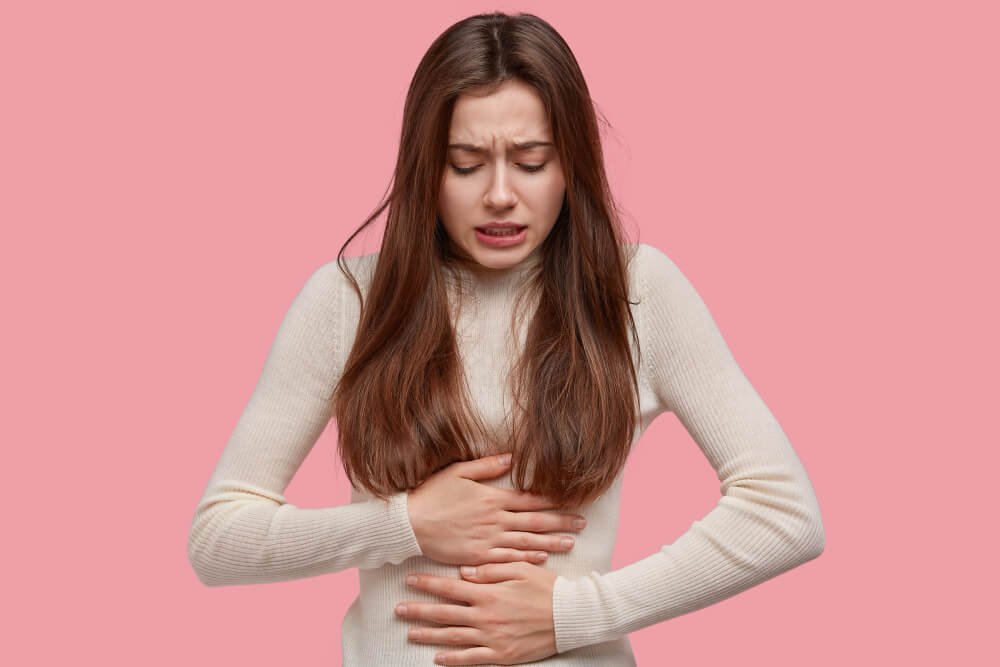
Table of Contents
Bloating after eating at festivals happens mainly because large, fatty, sugary meals stretch the stomach, slow digestion and give gut bacteria extra carbohydrates to ferment into gas. If your waistband feels tight after every celebration, you are not alone, and it is rarely dangerous.
Swallowed air, salty snacks and fizzy drinks add to the problem. Here is the clear science behind it, six practical ways to manage it, and ten festive foods that are gentler on your stomach during celebrations.
Why Festive Foods Trigger Bloating After Eating
The causes of bloating after a festive feast are well studied, and five mechanisms explain most cases.1. A Large Meal Stretches the Stomach
Many people ask why my stomach feels full and gassy after eating a festive thali. Big portions physically stretch the stomach, and stretch receptors signal fullness and discomfort.2. Fat and Sugar Slow Stomach Emptying
Fried puris, ghee-rich sweets and cream slow gastric emptying, so food sits longer and feels heavy. This delay is a frequent trigger of indigestion after eating at celebrations.3. Fermentable Carbohydrates Produce Gas
Gut bacteria ferment certain carbohydrates, such as those in beans, onions, lactose in milk sweets and sugar alcohols in sugar-free treats, releasing gas. The result is excess gas after eating.4. Swallowed Air and Fizzy Drinks
Eating fast, talking while chewing and sipping carbonated drinks introduce extra air into the gut, a major driver of bloating after meals.5. Salt and Sudden Fibre Jumps
Salty snacks can cause fluid retention, and a sudden jump in fibre can overwhelm a gut unused to it, which makes festive food bloating feel worse. If bloating keeps returning, you can speak with Aura The Diet Clinic for a gut health consultation tailored to your routine.How to Reduce Bloating During Festive Meals
Preventing bloating after eating is mostly about quantity, speed and timing. These six methods show how much to eat, how to calculate it and what helps afterwards.1. Calculate Your Plate Before You Fill It
Use a simple formula: half the plate vegetables or salad, a quarter protein, a quarter grains or starch, and one small sweet of about 30 to 40 g, roughly a small laddoo or one barfi piece. Fill your plate once and wait seconds.2. Eat Slowly and Pause Midway
Fullness signals take about 20 minutes to register. Chew thoroughly and put the spoon down between bites, because slower eating means less swallowed air and less bloating after eating.3. Space Meals Three to Four Hours Apart
Long fasts before a feast encourage overeating, while constant grazing keeps the gut busy. Learning how to reduce bloating also means timing meals, with fruit or roasted chana in between.4. Hydrate Between Meals, Not During
Sip about 2 to 2.5 litres of water across the day, mostly between meals, since large gulps with food add volume. Dehydration can worsen constipation, one of the overlooked causes of bloating.5. Use Digestive Spices Wisely
Ajwain, jeera, fennel and ginger have traditional use and some evidence for easing gas and cramps. Try an ajwain and jeera water recipe: boil 1/2 tsp of each in a cup of water for 5 minutes and sip warm.6. Move After Meals
If you wonder how to reduce bloating quickly, a gentle 10 to 15 minute walk helps move gas along and supports gastric emptying. Avoid lying down for two to three hours after eating.Festive Food Bloating: 10 Gentler Options to Enjoy
You do not need to skip celebrations to avoid bloating after eating. These ten festive foods are usually gentler on digestion when portions stay modest.1. Steamed Dhokla or Idli
Steamed fermented batters are lighter than fried snacks and a smart answer to indigestion after eating. Two to three pieces with chutney is a good serving.2. Roasted Makhana
Unlike many foods that cause bloating, dry roasted makhana is light and low in fat. A 30 g bowl suits most people.3. Samak Rice Pulao
Barnyard millet cooks quickly and feels light. Look for easy digestible Indian festive recipes like this pulao, with vegetables and little oil.4. Papaya and Banana Bowl
Both are gentle fruits that rarely cause gas after eating when ripe. Add a squeeze of lime.5. Cucumber Mint Raita
Curd with cucumber and mint cools the stomach and may ease bloating after meals. Use fresh, plain curd without added sugar.6. Grilled Paneer or Tofu Tikka
Protein-rich and low in fermentable carbohydrates, it sidesteps one of the common causes of bloating. Marinate in hung curd and spices, then grill.7. Moong Dal Khichdi
Moong dal is among the easiest lentils to digest, so it suits recovery from indigestion after eating rich food. Cook it soft with cumin and turmeric.8. Bottle Gourd Soup
Bottle gourd is mostly water and unlikely to join the list of foods that cause bloating. Simmer with garlic and pepper, then blend lightly.9. Baked Sweet Potato
A small baked piece is gentle, though large servings can cause gas after eating in sensitive people. Sprinkle with roasted cumin.10. Small Sooji Halwa
Even festive food bloating can be limited with a small, homemade portion made with minimal ghee and jaggery. Keep it to a few spoonfuls. For guidance on festive eating, you can reach out to Aura The Diet Clinic or search for a dietitian for gut health near me.Final Thoughts
Festive bloating after eating has clear causes and practical fixes: smaller plates, slower eating, steady hydration and gentler foods that suit your own digestion and routine. Enjoy the celebration, listen to your body, remember that steady habits matter more than any single feast, and see a doctor if symptoms persist or worsen over time.Frequently Asked Questions
1. How Long Does Bloating After Eating Last?
Many ask how long does bloating last after a heavy meal. For most people it settles within a few hours, though it can linger a day or two after very large or rich meals.2. Which Foods That Cause Bloating Should I Limit?
Common triggers include deep-fried items, cream-heavy sweets, carbonated drinks, large servings of beans, excess onion and garlic, and sugar-free sweets with sugar alcohols. Individual triggers vary.3. Is Bloating After Meals Always Harmless?
Occasional bloating usually is. See a doctor if it is frequent, painful or comes with weight loss, blood in stool, vomiting, persistent diarrhoea or trouble swallowing, and consider a gastroenterologist near me visit.4. Can I Take Antacids or Digestive Tablets?
Occasional use may help, but check with a doctor or pharmacist first, especially if you take other medicines. Treating bloating after eating with tablets every day is not advised, and daily antacid use can hide a problem that needs attention.5. Does Walking Help Digestion?
Yes. A short walk after meals supports gastric emptying and gas movement. For a tailored plan, try an online nutrition consultation.
Related posts
-
Why Bloating and Fatigue in Delhi Feels Like a Daily Struggle
“You wake up tired, feel heavy after meals, and snap at small things.” For many Delhi...

Arrange your appointment — Book appointment
