By Hons. (Dr) Saurabh Kaushik in Diet Plan on 27 October 2026
Postpartum Weight Loss: How to Lose Post Pregnancy Weight Safely
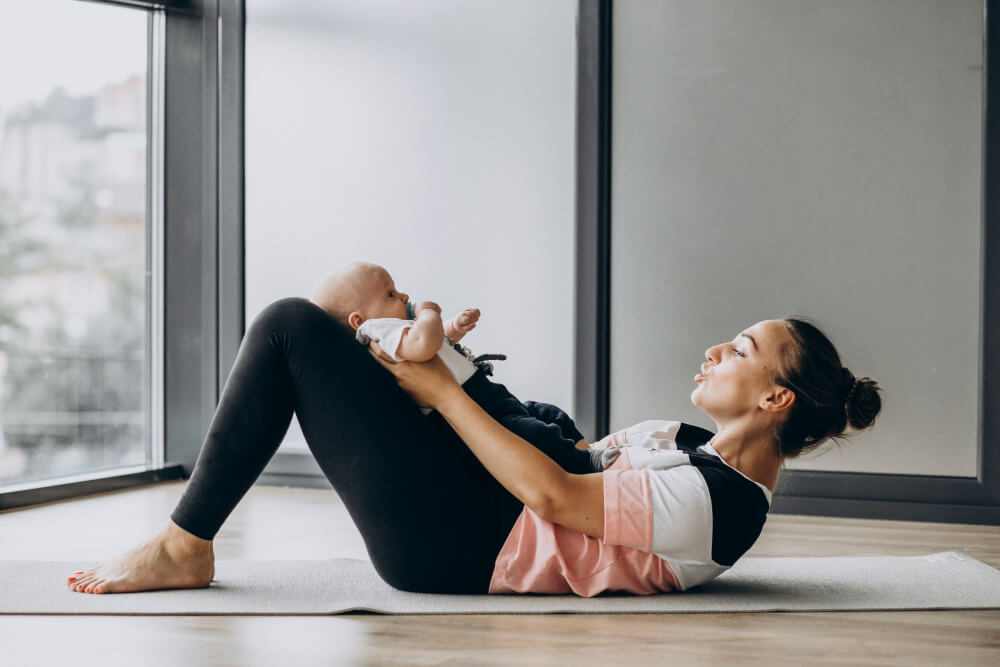
Table of Contents
- Why Rapid Weight Loss After Delivery is Not Recommended
- Foods That Support a Healthy Post Pregnancy Weight Loss Journey
- Foods to Limit During Your Postnatal Weight Loss Journey
- Practical Diet Tips for Breastfeeding Mothers
- Lifestyle Habits That Help You Lose Baby Weight Sustainably
- A Sample Indian Diet After Pregnancy for Healthy Recovery
- Frequently Asked Questions
- Conclusion
Yes, losing weight after pregnancy is possible, but it should happen gradually and with your doctor's approval. Postpartum weight loss can feel overwhelming when you're already adjusting to sleepless nights, feeding schedules, and a completely new routine. Many mothers want to regain their strength and confidence, but the journey should never come at the cost of recovery or nutrition.
Most women can begin focusing on healthy changes after their postpartum check-up by prioritizing nutritious meals, adequate protein, hydration, quality sleep, and gentle physical activity. Safe progress supports recovery, hormone balance, and energy levels without compromising breastfeeding or overall health.
At Aura the Diet Clinic, many nutrition plans focus on adapting traditional Indian meals rather than introducing restrictive eating patterns.
Why Rapid Weight Loss After Delivery is Not Recommended
Many women feel pressured to return to their pre-pregnancy body quickly, but weight loss after delivery works best when approached with patience. Experts generally recommend a gradual loss of around 0.5 kg per week for breastfeeding mothers to maintain milk supply and nutritional health. A slower approach offers several advantages:- Supports proper healing of muscles and tissues after childbirth.
- Helps maintain energy levels needed for caring for a newborn.
- Reduces the risk of nutrient deficiencies.
- Protects breast milk production for nursing mothers.
- Encourages long-term, sustainable habits rather than crash diets.
Foods That Support a Healthy Post Pregnancy Weight Loss Journey
A balanced post pregnancy weight loss plan focuses on nutrient-dense foods rather than strict restrictions. The following options help support recovery, energy, and gradual fat loss while nourishing the body.- Eggs
- Provide complete protein with all essential amino acids.
- Contain choline, which supports brain health.
- Keep you fuller for longer compared to refined breakfast foods.
- Lentils and Dal
- Help replenish iron stores after childbirth.
- Improve digestion through dietary fiber.
- Offer sustained energy without blood sugar spikes.
- Leafy Green Vegetables
- Rich in folate and iron.
- Support immune function.
- Add volume to meals with fewer calories.
- Greek Yogurt or Homemade Curd
- Help maintain bone strength.
- Promote healthy digestion.
- Increase satiety between meals.
- Oats
- Contain soluble fiber that supports fullness.
- Provide slow-releasing energy.
- Can be combined with nuts and fruits for extra nutrition.
- Nuts and Seeds
- Supply omega-3 fatty acids.
- Support hormonal health.
- Make convenient, nutritious snacks.
- Seasonal Fruits
- Offer antioxidants that aid recovery.
- Help meet daily fiber needs.
- Reduce cravings for processed sweets.
- Fish Rich in Omega-3
- Contain healthy fats beneficial for the brain.
- Provide quality protein.
- Contribute to anti-inflammatory processes.
- Whole Grains
- Improve digestive health.
- Prevent rapid sugar fluctuations.
- Support sustained fullness.
- Homemade Soups and Broths
- Help maintain hydration.
- Are easy to digest.
- Can include vegetables and proteins for balanced nutrition.
Foods to Limit During Your Postnatal Weight Loss Journey
Successful postnatal weight loss is not about eliminating foods completely. Instead, reducing certain items helps create healthier eating patterns without feeling deprived.- Sugary Beverages
- Increase daily sugar intake.
- Cause energy crashes.
- Contribute to unnecessary weight gain.
- Deep-Fried Snacks
- Contain high amounts of unhealthy fats.
- Are often calorie-dense.
- Offer limited nutritional value.
- Processed Packaged Foods
- May increase water retention.
- Often contain refined ingredients.
- Replace more nutritious options.
- Excessive Sweets
- Add large amounts of simple carbohydrates.
- Can lead to energy fluctuations.
- May increase cravings over time.
- Refined Flour Products
- Digest quickly and increase hunger.
- Offer fewer nutrients.
- Can contribute to overeating.
- Highly Processed Meats
- It tends to be high in sodium.
- Contain preservatives.
- Lack the nutritional benefits of fresh proteins.
- Excessive Caffeine
- Can contribute to dehydration.
- May influence breastfeeding babies in some cases.
- Makes postpartum fatigue more challenging.
Practical Diet Tips for Breastfeeding Mothers
A thoughtful postpartum nutrition plan should support both the mother and baby. Breastfeeding increases energy requirements, so eating too little can be counterproductive.- Prioritize Protein at Every Meal
- Include eggs, paneer, dal, yogurt, or lean meats.
- Aim for balanced portions throughout the day.
- Combine proteins with vegetables and whole grains.
- Drink Water Consistently
- Keep a water bottle nearby during feeding sessions.
- Include soups and fresh fruits for additional fluids.
- Limit sugary beverages whenever possible.
- Avoid Skipping Meals
- Plan simple, nourishing snacks in advance.
- Prepare easy-to-reheat meals.
- Maintain stable energy levels throughout the day.
Lifestyle Habits That Help You Lose Baby Weight Sustainably
Understanding how to lose baby weight involves more than food choices alone. Daily habits significantly influence recovery and long-term wellness.- Gentle Movement Matters
- Start with walking and light stretching.
- Progress according to comfort and recovery.
- Focus on consistency rather than intensity.
- Prioritize Sleep Whenever Possible
- Rest when the baby sleeps if possible.
- Share responsibilities with family members.
- Create simple bedtime routines.
- Manage Expectations
- Avoid comparing yourself with others.
- Celebrate small improvements.
- Focus on health rather than rapid transformations.
A Sample Indian Diet After Pregnancy for Healthy Recovery
A balanced diet after pregnancy should provide enough nutrients while supporting gradual weight management. The following sample plan offers a practical starting point.| Meal | Food Options |
|---|---|
| Early Morning | Warm water with soaked almonds and walnuts |
| Breakfast | Vegetable oats with curd or two egg omelette with whole wheat toast |
| Mid-Morning | Seasonal fruit and coconut water |
| Lunch | Brown rice, dal, sabzi, salad, and curd |
| Evening Snack | Roasted chana or homemade sprouts chaat |
| Dinner | Multigrain roti, paneer curry, and sautéed vegetables |
| Bedtime | Turmeric milk or warm milk without added sugar |
Frequently Asked Questions
- When can I start losing weight after childbirth?
- Can breastfeeding help with weight loss?
- What is the best postpartum diet?
- How much weight should I lose each week?
- Should I follow crash diets after delivery?
Conclusion
Healthy postpartum recovery requires patience, nourishment, and realistic expectations. Gradual progress through balanced meals, regular hydration, gentle activity, and adequate rest supports both physical healing and long-term wellness. Instead of focusing on quick fixes, building sustainable habits creates better outcomes for mothers and their families. When needed, professional guidance from qualified nutrition experts can help develop a personalized plan that respects individual needs and promotes lifelong health.
Related posts
-
How Does Ultra-Processed Food Affect Weight Loss?
If you are eating carefully but the scale is barely moving, ultra processed food and...
-
Can Weight Loss Help Reduce Cholesterol Levels?
Yes, dropping body weight directly reduces dangerous fat buildup by altering how your...
-
How to Lose 20 Kg with Hypothyroidism?
Yes, losing 20 kg with hypothyroidism is possible, but it requires a medically guided...

Arrange your appointment — Book appointment
