By Hons. (Dr) Saurabh Kaushik in Weight Gain on 22 October 2026
Why Am I Not Losing Weight Despite Eating Healthy?

Table of Contents
- Reasons Behind Not Losing Weight Despite Eating Healthy
- Understanding the Main Reasons Your Progress Has Stalled
- What to Eat and What to Limit for Sustainable Weight Management
- A Practical 7-Day Diet Chart for Weight Management
- How to Avoid Common Weight Loss Mistakes
- When Should You Reassess Your Approach?
- Final Takeaway
- Frequently Asked Questions
Not losing weight despite eating healthy can happen even when your meals look nutritious, because healthy foods can still provide enough energy to maintain your weight. Portion sizes, calorie-dense add-ons, reduced movement, sleep, stress, medications, and metabolic adaptation can all affect progress.
A genuine plateau can also occur after initial loss. The goal is not to eat less blindly, but to identify what is limiting your energy deficit and adjust your routine safely. A dietitian can help personalize that process.
Adjust quantities to your energy requirements rather than treating the listed portions as universal prescriptions. Water should generally be your main beverage, while cooking oils, nuts, dressings and other calorie-dense additions should be portioned deliberately.
If you want a plan based on your body measurements, food preferences, schedule and health history, a registered dietitian can help personalize the quantities instead of relying on a generic chart. Aura The Diet Clinic can be considered as one place to seek nutrition guidance.
Reasons Behind Not Losing Weight Despite Eating Healthy
- Your portions may be larger than your energy needs
- Healthy foods may contain hidden calories
- Your daily movement may have decreased
- Your body may have adapted to weight loss
- Sleep and stress may be affecting your appetite
- Medical conditions or medications may be involved
- Your progress may be masked by normal weight fluctuations
Understanding the Main Reasons Your Progress Has Stalled
A nutritious diet is an important foundation, but it does not automatically create a calorie deficit. If your weight has remained unchanged for several weeks, look beyond individual foods and examine the overall pattern.- Portion Size and Weight Loss
- Hidden Calories
- Reduced Daily Movement
- Metabolism and Weight Loss
- Sleep and Stress
- Medical Factors and Medications
- Normal Weight Fluctuations
What to Eat and What to Limit for Sustainable Weight Management
Once you understand the possible barriers, the next step is improving meal composition without turning your diet into a list of forbidden foods. A balanced pattern should provide protein, fiber, micronutrients and enough food to remain practical.Foods to Include
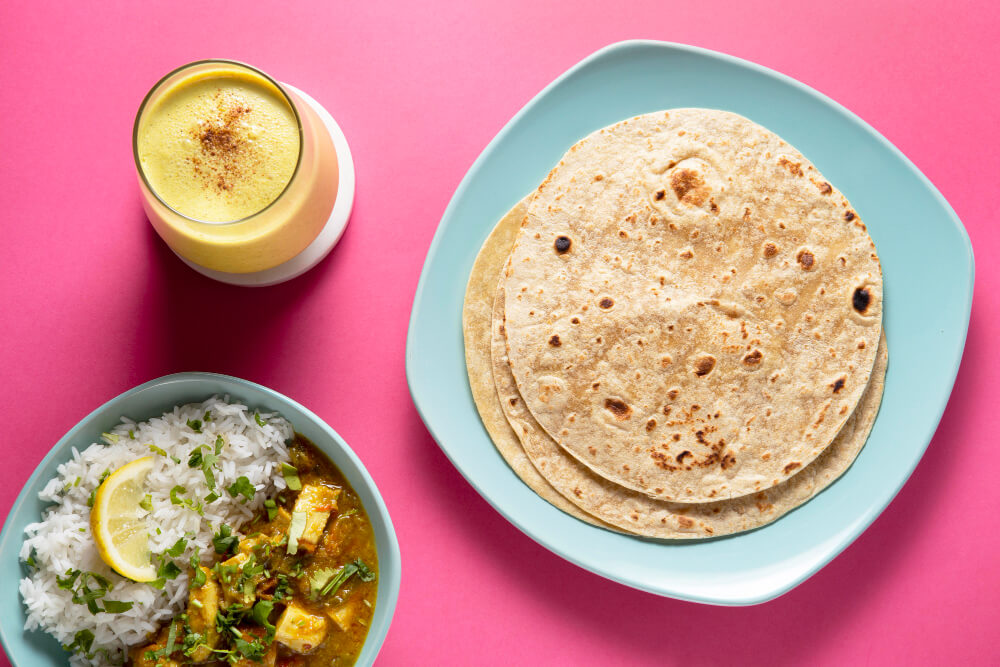
These options can help build filling, nutrient-dense meals:- Eggs: Convenient protein that works well at breakfast or lunch.
- Dal and lentils: Provide protein, fiber and carbohydrates in one food.
- Vegetables: Add volume and micronutrients without relying heavily on calorie-dense ingredients.
- Whole fruits: Offer fiber and nutrients while being more filling than many fruit-based drinks.
- Curd or unsweetened yogurt: Can provide protein and calcium without added sugar.
Foods to Limit
You do not necessarily need to eliminate these foods. The focus is on frequency, portions and preparation.- Sugary beverages: Calories can accumulate without creating much fullness.
- Deep-fried snacks: Frying substantially increases energy density.
- Creamy sauces: Small amounts can contain considerable calories.
- Sweets and desserts: Keep them occasional or portion-controlled.
- Highly processed snack foods: Easy-to-eat portions can make energy intake harder to judge.
A Practical 7-Day Diet Chart for Weight Management
There is no single calorie target that suits everyone. Age, sex, body size, activity, health conditions and other factors influence individual needs. The following is a general Indian-style framework, not a personalized medical diet.| Day | Breakfast | Lunch | Snack | Dinner |
|---|---|---|---|---|
| Day 1 | 2 eggs + vegetable poha | 2 rotis + dal + mixed vegetables + curd | Apple + 8-10 almonds | Grilled paneer/tofu + salad + 1 roti |
| Day 2 | Vegetable oats + curd | Brown rice + rajma + cucumber salad | Guava + roasted chana | Vegetable soup + paneer/tofu bhurji + 1 roti |
| Day 3 | 2 moong dal chillas + curd | 2 rotis + chicken/fish or dal + vegetables | Orange + small handful of nuts | Khichdi with vegetables + curd |
| Day 4 | Vegetable upma + 2 eggs or curd | Rice + sambar + vegetables + salad | Buttermilk + roasted chana | 2 rotis + tofu/paneer + sautéed vegetables |
| Day 5 | Besan chilla + curd | 2 rotis + dal + vegetable sabzi + salad | Fruit + yogurt | Grilled chicken/fish or tofu + vegetables |
| Day 6 | Vegetable omelette + 1-2 whole-grain toast | Chickpea salad + 1-2 rotis + curd | Apple + nuts | Dal + vegetables + 1-2 rotis |
| Day 7 | Idli + sambar + vegetable side | Vegetable pulao + raita + dal | Fruit + roasted makhana | Light paneer/tofu/chicken bowl with vegetables |
How to Avoid Common Weight Loss Mistakes
Small inconsistencies can become significant over weeks. The aim is not perfection, but creating a routine that you can repeat. Common weight loss mistakes include dramatically restricting food during weekdays and overeating on weekends, drinking calories without accounting for them, relying only on cardio and abandoning the plan after a few unchanged weigh-ins. Another issue is assuming that every plateau requires a much lower calorie intake. A weight loss plateau can occur because energy requirements have changed as body weight falls, activity has changed, or adherence has gradually shifted. Review your food intake and activity before making major changes. If you have already been dieting for a prolonged period, professional guidance can help determine whether your plan needs adjustment.When Should You Reassess Your Approach?
If your weight trend has remained stable for several weeks despite consistent habits, review the basics before making the diet more restrictive. Recheck portions, beverages, weekend eating, movement, sleep and meal consistency. A healthy diet not losing weight is worth investigating rather than responding to with extreme restriction. Tracking food and activity for several days can help identify patterns that memory misses. A weight loss plateau can also be a normal part of long-term weight management. If you have concerns about medications, menstrual changes, persistent fatigue, unexplained weight changes or another health issue, speak with your doctor or dietitian.Final Takeaway
The answer to not losing weight despite eating healthy is rarely as simple as "you need more willpower." Healthy foods still contribute calories, portions matter, daily movement can change, and the body adapts during weight loss. A sustainable approach combines nutritious meals with appropriate portions, regular activity, adequate sleep and realistic monitoring. Remember that weight loss mistakes are not failures of character. They are useful signals showing where your routine may need adjustment. Likewise, metabolism and weight loss involve biological adaptations that make progress less linear than many diet plans suggest. If your eating pattern is already nutritious but the scale has stopped moving, start by reviewing your routine rather than removing entire food groups. With individualized guidance, the goal can be a healthier eating pattern that fits your needs and remains sustainable.Frequently Asked Questions
- Why am I gaining weight even though I eat healthy food? Healthy foods can still provide more energy than your body uses, particularly when portions, oils, nuts, sauces or calorie-containing drinks are underestimated. Fluid fluctuations can also temporarily increase scale weight.
- How long does a weight loss plateau normally last? There is no fixed duration. Plateaus can occur weeks or months into a weight-management program and can result from several interacting physiological and behavioral factors.
- Should I eat fewer calories when my weight stops decreasing? Not automatically. First review portions, activity, sleep and adherence. A dietitian can assess whether your current intake is appropriate and whether an adjustment is warranted.
- Can I lose weight without completely avoiding carbohydrates? Yes. Healthy eating patterns can include whole grains, fruits and other carbohydrate-containing foods. Eliminating an entire food group is generally unnecessary unless medically indicated.
- When should I speak to a doctor or dietitian about difficulty losing weight? Consider professional guidance when progress remains unexpectedly difficult despite consistent habits, particularly if you take medications or have symptoms that could indicate an underlying health issue.

Related posts
-
Does Wheat Roti Increase Cholesterol?
No, wheat roti does not directly increase cholesterol in healthy individuals. Whole wheat...
-
Obesity in Ahmedabad: Why Are More People Gaining Weight?
Obesity in Ahmedabad is becoming a growing public health concern due to changing food...
-
Does Junk Food Increase Cholesterol: A Dietitian Explains
Yes. Regularly eating processed, fried, and sugary foods can negatively affect your...

Arrange your appointment — Book appointment
