Fasting This Navratri? Try These 15 Weight-Loss Friendly Foods
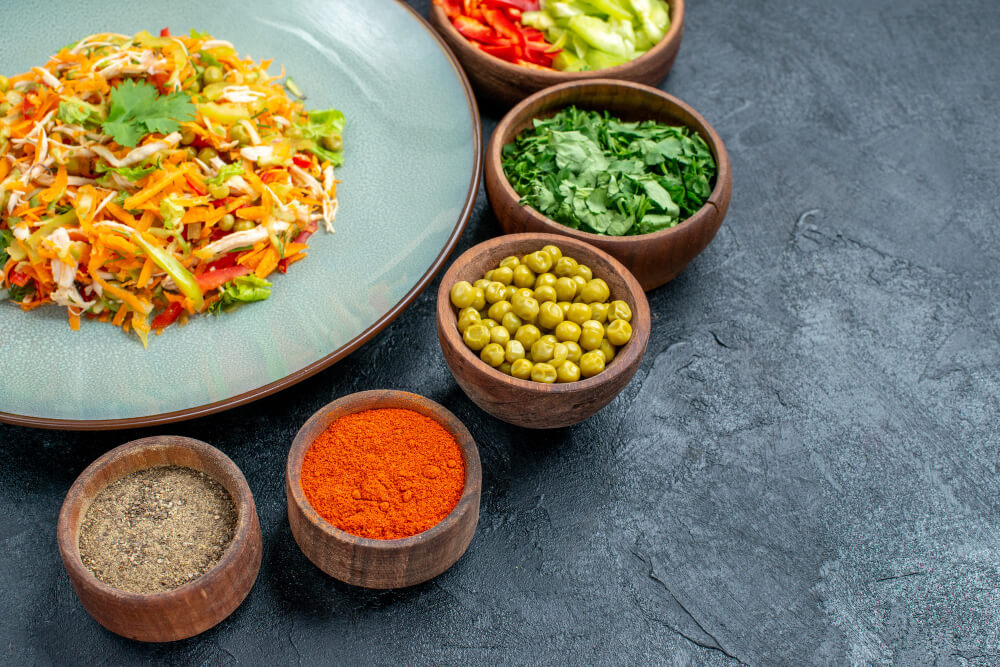
Weight loss foods for Navratri fasting are mostly light, fibre-rich and protein-friendly choices such as makhana, curd, paneer, bottle gourd and fruit, not fried pakoras or sugary sweets. If you worry that nine days of vrat means constant hunger or a bigger waistline, the fix lies in what fills your plate. Smart swaps keep you energised, full and comfortable, and they support gentle, realistic progress rather than a crash. Here is a clear guide to choosing and combining them wisely.
Which Weight Loss Foods for Navratri Fasting are Best?
- Makhana
- Curd
- Paneer
- Bottle gourd (lauki)
- Cucumber
- Pumpkin
- Sweet potato
- Amaranth (rajgira)
- Samak rice
- Buckwheat (kuttu)
- Peanuts
- Papaya
- Apple
- Coconut water
- Buttermilk (chaas)
15 Foods That Keep Your Fast Light and Filling
Each food adds volume, fibre or protein for few calories. Pick two or three a day and rotate them to avoid boredom, which often pushes people toward fried snacks. Together they form the most dependable weight loss foods for Navratri fasting for most healthy adults.
1. Makhana
A 30 g bowl of dry roasted makhana gives about 3 g of protein, making it one of the most useful fasting foods for evening cravings.
2. Curd
Plain curd adds protein and calcium, and one small bowl with roasted cumin beats sweet lassi.
3. Paneer
Paneer gives about 18 g of protein per 100 g, so grill a 50 to 75 g portion instead of simmering it in rich gravy.
4. Bottle Gourd (Lauki)
Mostly water and very low in calories, lauki earns its place among healthy Navratri foods as sabzi, soup or raita.
5. Cucumber
Cucumber adds crunch and hydration for almost no calories, especially in a curd raita.
6. Pumpkin
Boiled or roasted pumpkin suits low calorie vrat recipes and satisfies sweet cravings better than halwa.
7. Sweet Potato
One boiled or roasted medium piece offers slow-release carbohydrate and fibre.
8. Amaranth (Rajgira)
Richer in fibre and protein than refined flour, rajgira suits any Navratri diet as porridge or one to two small rotis.
9. Samak Rice
Half a cup of cooked samak rice, mixed with vegetables, makes a light and filling pulao.
10. Buckwheat (Kuttu)
If you wonder what to eat during Navratri fast that feels like a proper meal, a shallow cooked kuttu roti is a good answer.
11. Peanuts
Peanuts are a practical Navratri food for protein, with about 7 to 8 g in a 30 g roasted handful.
12. Papaya
Papaya offers fibre, vitamin C and natural sweetness, so enjoy a bowl instead of juice.
13. Apple
With about 4 g of fibre, an apple is among the easiest foods for weight loss to carry anywhere.
14. Coconut Water
Unsweetened coconut water hydrates well, but limit it to one glass because it contains natural sugar.
15. Buttermilk (Chaas)
Among all the weight loss foods for Navratri fasting, spiced chaas is the easiest swap for sweet tea and packaged juice.
What Makes a Navratri Meal Weight-Loss Friendly?
Not every permitted item supports your goal. Knowing why the weight loss foods for Navratri fasting above work lets you improvise when your pantry changes. Four quick checks do the job.
1. Low Energy Density
Water and fibre fill the stomach for fewer calories, so anchor your Navratri diet around lauki, cucumber and fruit.
2. Enough Protein
Protein slows digestion and curbs snacking, so include curd, paneer or peanuts at every meal.
3. Minimal Added Oil and Sugar
Roasting, steaming and boiling keep calories predictable, while frying or jaggery syrup multiplies them.
4. Sensible Portions
Even healthy Navratri foods add up, so use a small bowl as your unit and stop when comfortably full.
Which Foods Give You Protein and Fibre?
Many fasting foods lean on starch, so protein and fibre need deliberate planning. Together they decide whether a fast feels manageable.
1. Protein Sources
A 100 g serving of paneer gives about 18 g of protein, 30 g of peanuts about 7 to 8 g, and a 200 g bowl of curd about 7 g. Roasted makhana and paneer cubes make easy high protein vrat snacks.
2. Fibre Sources
Fruit with skin, pumpkin, sweet potato, amaranth and buckwheat bring fibre, and these foods for weight loss also keep digestion regular. Raise portions gradually and drink water to avoid bloating.
3. Easy Pairings
A smart Navratri food pairing covers carbohydrate, protein and fibre together, such as samak rice with vegetables and curd, or lauki with peanut raita.
If you are unsure how much protein suits you, an online diet consultation with Aura The Diet Clinic can help match portions to your routine and health conditions.
Which Vrat Food Choices Can Add Excessive Calories?
Permitted does not always mean light, and one heavy plate can undo a day of careful eating. Watch for these three.
1. Deep-Fried Snacks
Even traditional fasting foods such as kuttu puris, singhara pakoras and fritters soak up oil, so one plate can match a full meal. Air frying or shallow cooking cuts the fat.
2. Starchy and Sugary Dishes
Sabudana khichdi, kheer and laddoos are rich in starch, ghee or sugar. Treat this kind of Navratri food as a small occasional serving and add peanuts or vegetables.
3. Sweet Drinks and Packaged Snacks
Packaged vrat food such as farali chivda, plus sweet tea, flavoured lassi and juice, adds calories without lasting fullness. Unsweetened tea, lemon water or fruit are better swaps.
How to Build a Balanced Navratri Fasting Diet Plate
A good plate needs a simple formula, not a long rulebook. Use this structure at every meal and rotate the foods.
1. Start With Half a Plate of Vegetables
Whatever your family’s Navratri fasting rules, let lauki, pumpkin, cucumber or a tomato salad fill half the plate.
2. Add One Protein Source
Pick curd, paneer or peanuts for a quarter of the plate, rotating these weight loss foods for Navratri fasting daily.
3. Measure One Carbohydrate
Grains belong in the last quarter of any Navratri fasting diet: half a cup of cooked samak rice or one to two small rajgira rotis.
4. Space Your Meals and Hydrate
Eating healthy Navratri foods every three to four hours prevents the long gaps that cause evening overeating, and water or buttermilk helps when thirst feels like hunger.
Here is a sample day showing how these foods for weight loss fit together:
- Morning: unsweetened tea and papaya
- Lunch: samak rice, lauki sabzi and curd
- Evening: roasted makhana and an apple
- Dinner: paneer, vegetables and one rajgira roti
Needs differ with diabetes, thyroid or blood pressure, so check with your doctor first. For guidance matched to your routine, you can reach out to Aura The Diet Clinic or search for a dietician near me.
Final Thoughts
The best weight loss foods for Navratri fasting are simple: water-rich vegetables, protein, fibre and measured grains. Treat the nine days as practice for lighter habits rather than a quick fix.
Keep your Navratri diet simple, listen to hunger cues and ease back to regular meals gradually.
Frequently Asked Questions
1. How Much Weight Can You Lose in Nine Days?
Most people notice a small change, partly water. Choosing weight loss foods for Navratri fasting consistently supports gradual progress better than skipping meals.
2. Is Fasting Safe for Everyone?
No. Consult a doctor or a supervised weight management program first if you have diabetes, thyroid or blood pressure issues, are pregnant or breastfeeding, are an older adult, or have a history of disordered eating.
3. Can I Eat Paneer and Peanuts Every Day?
Yes, in measured portions such as 50 to 75 g of paneer and a 30 g handful of peanuts, since both are calorie dense. Balance them with vegetables and fruit, and if you have cholesterol or kidney concerns, consult a doctor or a weight loss clinic near me.
4. Which Drinks Are Best While Fasting?
Water, coconut water, buttermilk, lemon water and unsweetened tea work well. Limit sweet lassi and packaged juice, since this kind of vrat food adds sugar without fullness.
5. When Should I Stop Fasting?
Stop and seek medical advice if you feel faint, notice a racing heartbeat or develop severe headaches. A balanced Navratri fasting diet helps, but health comes before the scale.

Related posts
-
15 Best Foods for Glowing Skin – by Certified Dietitian
Foods for glowing skin can feel like a mystery when expensive creams and skincare...
-
Can Navratri Fasting Help You Lose Weight?
Can Navratri fasting help you lose weight? Yes, it really can, modestly, provided your...
-
Is It Possible to Lose 18 to 22 Kg in 6 Months? A Dietitian Answers
Some people can lose between 18 and 22 kg in six months, as long as they’re working...