What Are the 20 Worst Foods for High Cholesterol?
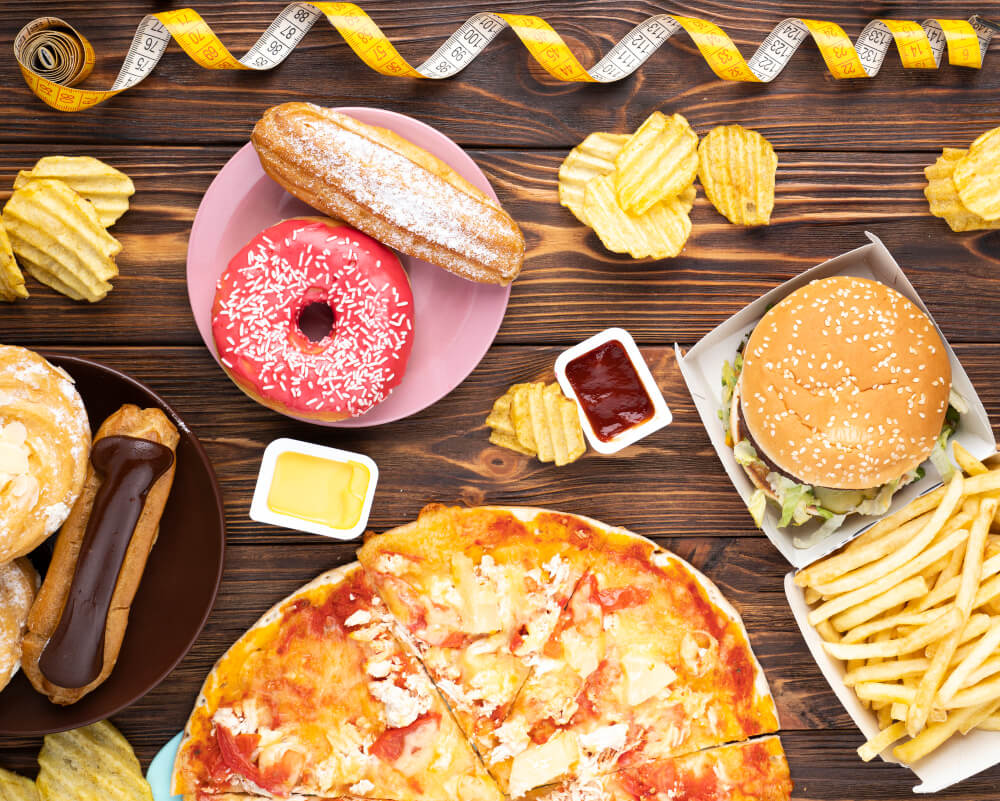
Foods for high cholesterol become a concern when routine blood reports suddenly reveal numbers that are higher than expected. Many people assume only oily meals are responsible, yet everyday choices like processed meats, fried foods, pastries, sugary drinks, and fast-food meals can quietly affect cholesterol levels over time.
Understanding which foods raise unhealthy fats in the bloodstream can help you make smarter decisions and protect long-term heart health without feeling overwhelmed by complicated dietary rules.
The 20 Worst Foods for High Cholesterol
- Deep-Fried Samosas
- Kachori
- Bhature
- Bakery Puff Pastries
- Processed Sausages
- Butter Chicken with Excess Cream
- Malai Kofta
- Fried Chicken
- Packaged Namkeen
- Instant Noodles
- Bakery Biscuits
- Cream-Filled Cakes
- Doughnuts
- White Bread with Butter
- Full-Fat Paneer in Large Quantities
- Ice Cream
- Sugary Milkshakes
- Soft Drinks
- Processed Frozen Foods
- Fast Food Burgers and Pizzas
Why These Foods Can Worsen Your Cholesterol Profile
Understanding the connection between daily food choices and cholesterol management makes it easier to identify habits that may be affecting your health and replace them with better alternatives.
1. Deep-Fried Samosas
A crispy samosa may seem harmless as an occasional snack, but frequent consumption can contribute to rising cholesterol levels. The combination of refined flour and unhealthy fats makes them one of the common foods to avoid cholesterol when consumed regularly.
- High in saturated and oxidized fats
- Often fried in reused cooking oil
- Can increase LDL cholesterol over time
- Provides excess calories with limited nutritional value
2. Kachori
Kachori is typically prepared using refined flour and deep-fried until golden brown. This preparation method significantly increases its fat content. Frequent consumption may encourage unhealthy lipid accumulation in the bloodstream and make it difficult to maintain healthy cholesterol levels.
- Contains large amounts of unhealthy fats
- Refined flour contributes to poor metabolic health
- May increase triglyceride levels
- Supports weight gain when consumed frequently
3. Bhature
Bhature is a popular indulgence, but its deep-fried preparation and refined flour base can negatively affect cardiovascular health. Regular consumption may contribute to increased levels of harmful cholesterol, especially when paired with calorie-dense accompaniments.
- Deep-fried and high in calories
- Made primarily from refined flour
- May contribute to insulin resistance
- Can increase cardiovascular risk factors
4. Bakery Puff Pastries
Puff pastries often contain shortening, butter, or hydrogenated fats that improve texture and shelf life. These ingredients are among the major LDL cholesterol foods contributors because they can increase harmful cholesterol while reducing protective HDL cholesterol.
- Often contain trans fats
- High in saturated fat
- Nutrient-poor despite being calorie-dense
- Frequently consumed as convenient snacks
5. Processed Sausages
Processed sausages are made from fatty cuts of meat and often contain preservatives, sodium, and additives. Research consistently links processed meat consumption with increased cardiovascular risk.
- Rich in saturated fat
- High sodium content
- Contains preservatives linked to inflammation
- May worsen blood lipid profiles
6. Butter Chicken with Excess Cream
Butter chicken can be a nutritious protein source, but restaurant-style versions often contain generous amounts of butter, cream, and oil. Excess saturated fat can increase LDL cholesterol production in the liver.
- Contains heavy cream and butter
- High saturated fat content
- Easily exceeds recommended calorie intake
- Can contribute to unhealthy cholesterol levels
7. Malai Kofta
Malai kofta combines fried kofta balls with rich cream-based gravy. While delicious, this combination delivers significant amounts of saturated fat that may interfere with effective cholesterol management over time.
- Rich in cream and oil
- Often prepared using deep-fried ingredients
- High calorie density
- Can promote weight gain and elevated cholesterol
8. Fried Chicken
Chicken itself is a lean protein, but deep frying changes its nutritional profile significantly. The coating absorbs oil during cooking, increasing unhealthy fat intake.
- High in saturated and trans fats
- Refined flour coating adds excess carbohydrates
- Frequently served with calorie-rich sides
- Can contribute to arterial plaque formation
9. Packaged Namkeen
Many packaged namkeen products are fried and contain excess salt, refined oils, and preservatives. Their crunchy texture often encourages overeating, making them common foods to avoid for cholesterol in everyday snacking habits.
- High in unhealthy fats
- Contains excess sodium
- Easy to consume in large portions
- May contribute to elevated blood pressure
10. Instant Noodles
Instant noodles are highly processed and often contain palm oil, sodium, and refined carbohydrates. Regular consumption can negatively affect metabolic health and increase cardiovascular risk.
- Low in fiber and nutrients
- High sodium content
- Contains processed fats
- Provides limited satiety
11. Bakery Biscuits
Many commercially produced biscuits contain hydrogenated fats and refined sugar. These ingredients can negatively influence cholesterol levels when consumed frequently.
- Often contain trans fats
- High sugar content
- Minimal nutritional value
- Encourage unhealthy snacking habits
12. Cream-Filled Cakes
Cream-filled cakes combine refined flour, sugar, and saturated fats into a highly calorie-dense dessert. Frequent consumption can contribute to obesity and poor lipid control.
- Rich in sugar and saturated fat
- Encourages blood sugar fluctuations
- Supports excess calorie intake
- Linked with metabolic disorders
13. Doughnuts
Doughnuts are typically deep-fried and coated with sugar or fillings. This combination creates a food that can increase both triglycerides and harmful cholesterol levels.
- Deep-fried preparation
- High sugar content
- Low nutritional value
- Can contribute to inflammation
14. White Bread with Butter
This common breakfast combination may seem simple, but it pairs refined carbohydrates with saturated fat. Such meals can promote poor cholesterol balance when consumed daily.
- Low fiber content
- Causes rapid blood sugar spikes
- Butter adds saturated fat
- Limited nutritional density
15. Full-Fat Paneer in Large Quantities
Paneer contains protein and calcium, but consuming excessive amounts of full-fat varieties may increase saturated fat intake. Moderation is key within a balanced cholesterol diet.
- High in saturated fat
- Calorie-dense food source
- Portion control is important
- Better consumed alongside vegetables
16. Ice Cream
Ice cream contains substantial amounts of sugar and saturated fat. Excessive intake may contribute to obesity and lipid abnormalities that increase cardiovascular risk.
- High sugar content
- Rich in saturated fat
- Can increase calorie intake quickly
- May worsen cholesterol markers
17. Sugary Milkshakes
Many milkshakes contain flavored syrups, ice cream, sugar, and full-fat milk. Together, these ingredients create a drink that may negatively impact heart health.
- High in added sugars
- Excess calories in liquid form
- Encourages weight gain
- May elevate triglycerides
18. Soft Drinks
Soft drinks contain large amounts of added sugar with little nutritional benefit. Regular consumption can contribute to metabolic dysfunction and increase the likelihood of developing high cholesterol symptoms associated with poor cardiovascular health.
- High sugar concentration
- Promotes insulin resistance
- Supports unhealthy weight gain
- Increases triglyceride levels
19. Processed Frozen Foods
Frozen snacks such as nuggets, fries, and ready-to-eat meals are often loaded with unhealthy fats and sodium. These products can make long-term cholesterol management significantly more challenging.
- Highly processed ingredients
- Often contain hidden fats
- High sodium levels
- Lower nutritional quality than fresh foods
20. Fast Food Burgers and Pizzas
Fast-food burgers and pizzas often combine processed meats, refined flour, cheese, sauces, and unhealthy fats in a single meal. Regular consumption can contribute to several risk factors associated with high cholesterol symptoms and cardiovascular disease.
- High saturated fat content
- Excess sodium levels
- Calorie-dense portions
- Often paired with sugary beverages
Choosing a Heart Healthy Diet with Better Food Alternatives for Daily Meals
Replacing dangerous fried foods and processed market items with clean, unrefined options is the easiest way to protect your blood pathways. Transitioning to a heart healthy diet allows you to enjoy very tasty, traditional meals while naturally helping your body wash away internal grease.
- Steel Cut Oats: A high-fiber morning porridge that grabs onto extra fat inside your stomach and flushes it out naturally.
- Roasted Chana: A crunchy, fat-free Indian snack made from chickpeas that gives you clean plant protein without sugar spikes.
- Raw Walnuts: Nutritious tree seeds that provide your heart with protective plant fats and prevent waste buildup in blood tubes.
- Plain Tofu: A soft, low-fat soy block that easily takes the place of greasy meats and balances your blood numbers.
- Fresh Avocado: A creamy green fruit that provides smooth fats to keep your blood tubes stretchy and free of sticky deposits.
- Steamed Edamame: Green soy pods that are full of natural plant compounds which stop your stomach from absorbing grease.
- Lentil Sprouts: Live green sprouts that add fresh vitamins and fiber to your lunch salad while keeping your energy steady.
- Cold Pressed Mustard Oil: A traditional raw cooking oil full of healthy fats that protects the soft inside walls of your heart lines.
- Boiled Methi Seeds: Soaked fenugreek seeds taken in the morning to slow down fat absorption and support your daily liver function.
- Fresh Raspberries: Sweet, low-sugar berries packed with high fiber and natural cell protectors instead of heavy store cakes.
Final Thoughts on Cholesterol Management
Understanding the worst dietary offenders can make everyday food decisions much easier. The key is not fear but awareness. By limiting foods for high cholesterol and choosing more nutrient-dense alternatives, you can support better cardiovascular health, improve your overall eating pattern, and strengthen long-term cholesterol management.
For personalized guidance, consulting experienced nutrition professionals such as those at Aura the Diet Clinic can help you create a plan that fits your lifestyle and health goals.

Related posts
 20 Best Cultural Indian Foods That Don’t Cause Weight Gain
Many people believe Indian food automatically leads to weight gain because of oil, ghee,...
 20 Diet & Lifestyle Tips for Cholesterol Patients
High cholesterol often develops silently. Many people feel normal until a routine blood...
- Are Millets Good for Everyone’s Diet and Health?
Constant bloating, slow digestion, weight gain, and unstable blood sugar are common...