20 Best Diet & Lifestyle Tips for Diabetes Patients
Living with diabetes often feels overwhelming. Constant sugar monitoring, food restrictions, fatigue, and fear of complications can affect daily life. According to the International Diabetes Federation, India has over 77 million people living with diabetes, and many struggle to manage it through medication alone.
Both Type 1 and Type 2 patients need consistent lifestyle support to stay healthy. This is where practical diet & lifestyle tips for Diabetes become essential. With the right food choices, routines, and mindset, it is possible to control blood sugar and live confidently.
20 Best Diet & Lifestyle Tips for Diabetes
Here’s the best diet and lifestyle tips for diabetes recommended by the best dietitian in Ahmedabad, India.
1. Eat Meals at Fixed Times
Maintaining consistent meal timings helps regulate blood sugar levels throughout the day. When meals are eaten at irregular times, the body may struggle to balance glucose levels, leading to sudden spikes or drops.
2. Never Skip Breakfast
Breakfast plays an important role in starting the body's metabolism after overnight fasting. Skipping breakfast can cause blood sugar fluctuations and increase hunger later in the day, which may lead to overeating.
3. Control Portion Sizes
Even healthy foods can raise blood sugar if consumed in excessive amounts. Managing portion sizes helps prevent glucose spikes and supports better calorie control for diabetes management.
4. Include Protein in Every Meal
Protein helps slow down the digestion of carbohydrates and keeps blood sugar levels more stable. Foods like eggs, lentils, paneer, tofu, and lean meats are good sources of protein for balanced meals.
5. Choose Whole Grains
Whole grains such as brown rice, oats, quinoa, and whole wheat release energy slowly into the bloodstream. This helps maintain steady blood sugar levels compared to refined grains.
6. Limit Refined Sugar
Refined sugar can cause rapid spikes in blood glucose levels. Reducing sweets, desserts, and sugar-laden snacks helps maintain better glycemic control.
7. Avoid Sugary Drinks
Sugary beverages such as sodas, packaged juices, and sweetened drinks contain high amounts of sugar that are quickly absorbed by the body. Replacing them with water, herbal teas, or unsweetened beverages is a healthier choice.
8. Increase Fiber Intake
Dietary fiber slows carbohydrate absorption and helps regulate blood sugar levels. Foods such as vegetables, fruits, legumes, and whole grains provide valuable fiber for diabetes management.
9. Drink Enough Water
Proper hydration supports metabolism and helps the body eliminate excess glucose through urine. Drinking sufficient water throughout the day is important for maintaining overall health.
10. Plan Snacks Wisely
Healthy snacks can help prevent extreme hunger and sudden blood sugar drops between meals. Nuts, roasted seeds, fruits, or yogurt are better snack options compared to processed foods.
11. Walk Daily
Regular walking improves insulin sensitivity and helps muscles use glucose more effectively. Even a 30-minute brisk walk each day can contribute significantly to better blood sugar control.
12. Practice Stress Management
Stress hormones such as cortisol can increase blood sugar levels. Activities like meditation, yoga, breathing exercises, or hobbies can help manage stress and improve overall wellbeing.
13. Sleep 7 to 8 Hours
Adequate sleep supports hormone balance and metabolism. Poor sleep can worsen insulin resistance and increase the risk of uncontrolled blood sugar levels.
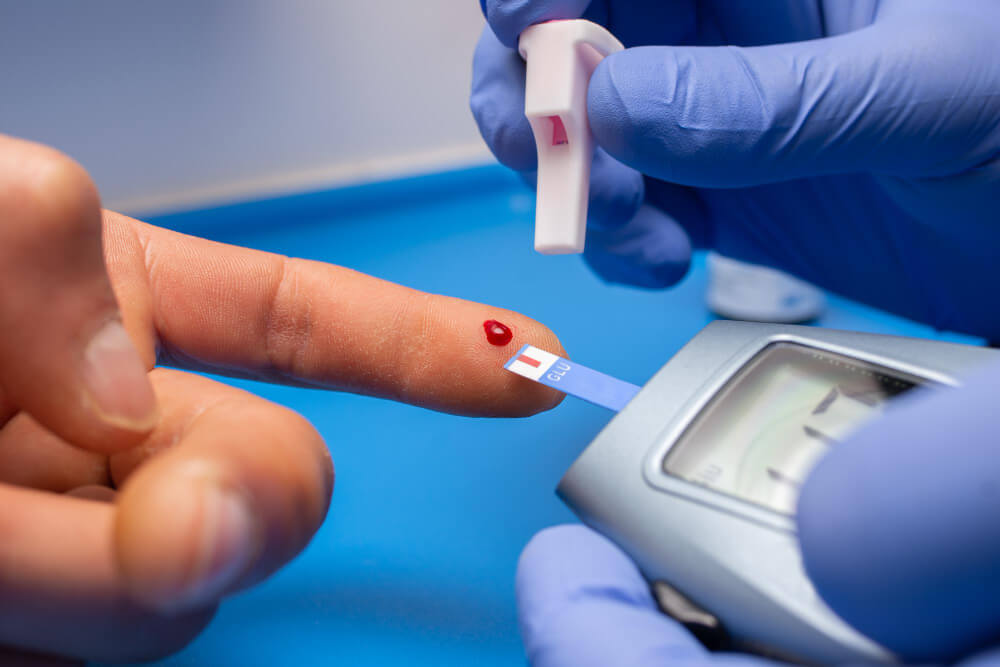
14. Monitor Blood Sugar Regularly
Regular monitoring helps individuals understand how food, exercise, and medication affect their glucose levels. This information allows better decision-making for daily diabetes management.
15. Avoid Late-Night Eating
Eating late at night can disrupt glucose regulation because the body’s metabolism slows during sleep. Having dinner at least two to three hours before bedtime helps maintain better blood sugar control.
16. Reduce Processed Food
Highly processed foods often contain excess sugar, unhealthy fats, and sodium. Limiting these foods helps improve overall diet quality and supports healthier blood sugar levels.
17. Manage Weight Carefully
Maintaining a healthy body weight plays a key role in diabetes management, especially for Type 2 diabetes. Even moderate weight loss can significantly improve insulin sensitivity.
18. Limit Alcohol
Alcohol can affect blood sugar levels in unpredictable ways. Drinking in moderation and avoiding sugary alcoholic beverages helps reduce potential complications.
19. Quit Smoking
Smoking damages blood vessels and increases the risk of diabetes complications such as heart disease and nerve damage. Quitting smoking greatly improves long-term health outcomes.
20. Follow Medical Advice Strictly
Lifestyle changes should always work alongside medical treatment. Following a healthcare provider’s recommendations regarding medication, diet, and monitoring is essential for safe and effective diabetes management.
Diet & Lifestyle Tips for Diabetes With a Balanced Diabetes Diet
A healthy diabetes diet focuses on stability, not restriction. Eating regularly helps prevent sugar spikes and crashes.
Important habits include:
- Fixed meal timings
- Balanced plates with protein, fiber, and healthy fats
- Smaller, frequent meals
This approach supports a strong blood sugar control diet and reduces sudden hunger.
For Type 1 patients, meal timing must align with insulin schedules. For Type 2 patients, consistency improves insulin sensitivity. Clinics like Aura The Diet Clinic design personalised routines that suit work schedules and medical needs.
Diet & Lifestyle Tips for Diabetes: Type 2 Diabetes Diet Tips and Lifestyle Changes
Most patients with Type 2 benefit from type 2 diabetes diet tips that focus on weight and insulin resistance.
Key practices include:
- Daily walking or light exercise
- Mindful eating
- Avoiding emotional eating
- Reducing belly fat
These habits form the core of effective lifestyle changes for diabetes. People searching for personalised diabetes meal plans in Ahmedabad and online diabetes nutrition consultation often need structured guidance to stay consistent.
Diet & Lifestyle Tips for Diabetes With Smart Meal Planning
A proper diabetes diet plan removes confusion around food choices. Planning meals in advance prevents unhealthy snacking.
Basic structure:
- Breakfast: protein + fiber
- Lunch: complex carbs + vegetables
- Dinner: light and early
- Snacks: nuts, fruit, curd
This pattern supports long-term control and improves digestion. If managing food feels confusing, book a personalised consultation with Aura The Diet Clinic for a structured diabetes diet plan.
Role of Expert Support in Diabetes Management
Professional guidance helps bridge the gap between knowledge and action.
Hons (Dr) Saurabh Kaushik, a lifestyle coach trained in clinical nutrition, preventive healthcare, stress management, and metabolic science, focuses on building sustainable routines for diabetes patients. His integrated approach combines meal planning, activity scheduling, and emotional wellness to improve long-term blood sugar stability.
Many individuals also benefit from certified diabetes dietitian near me services offered by Aura The Diet Clinic, which focus on practical lifestyle integration.
20 Best Foods for Diabetes Control
Choosing the right food is central to effective management. Below is a complete diabetic diet food list with its benefits.
| Food Item | Benefit |
|---|---|
| Oats | Slow glucose release |
| Brown rice | Better fiber than white rice |
| Whole wheat roti | Stable energy |
| Lentils | High protein and fiber |
| Chickpeas | Improves satiety |
| Eggs | Supports muscle health |
| Paneer | Low carb protein |
| Curd | Supports gut health |
| Spinach | Rich in antioxidants |
| Broccoli | Low glycaemic index |
| Apple | Controls cravings |
| Berries | Rich in polyphenols |
| Almonds | Healthy fats |
| Walnuts | Heart support |
| Flaxseeds | Improves lipid profile |
| Chia seeds | Blood sugar stability |
| Sweet potato | Better carb choice |
| Fish | Omega-3 fats |
| Olive oil | Improves insulin response |
| Green tea | Supports metabolism |
These are considered some of the best foods for diabetes control and support a balanced blood sugar control diet.
Essential Tips for Type 1 and Type 2 Diabetes
For Type 1 Patients:
- Match insulin with meals
- Never skip meals
- Monitor sugar before activity
- Carry emergency snacks
For Type 2 Patients:
- Focus on weight management
- Reduce refined carbs
- Increase physical activity
- Improve sleep quality
Both types benefit from structured routines and regular reviews. Start your personalised diabetes care journey today with Aura The Diet Clinic and build habits that support lifelong health.
How Lifestyle Changes for Diabetes Improve Quality of Life
Small changes bring big results. Regular walking improves circulation. Balanced meals reduce fatigue. Better sleep improves insulin sensitivity. Together, these lifestyle changes for diabetes enhance confidence and independence.
People following structured Diet & Lifestyle Tips for Diabetes often report better energy, fewer sugar fluctuations, and improved mental well-being.
Conclusion
Managing diabetes requires more than medication. Consistent routines, smart food choices, and emotional balance are equally important. These Diet & Lifestyle Tips for Diabetes help both Type 1 and Type 2 patients build healthier lives.
By following a balanced diabetes diet, choosing the right foods, and seeking professional guidance, long-term control becomes achievable. With commitment and support, living well with diabetes is not only possible, it is sustainable.

Related posts
-
Can You Reverse Prediabetes with Diet and Lifestyle Changes?
Yes, in many cases, prediabetes can improve, and blood sugar levels may return to a...
-
Can Type 2 Diabetes Be Controlled with Diet Alone?
Yes, for many individuals, managing metabolic health naturally through food choices alone...
-
Which Indian Foods Are Good for Diabetes Patients?
Traditional crops like ragi, sprouted pulses, and bitter gourds are excellent choices...