20 Diet & Lifestyle Tips for Cholesterol Patients

High cholesterol often develops silently. Many people feel normal until a routine blood test reveals elevated LDL (bad cholesterol) or low HDL (good cholesterol). According to the World Health Organization, high cholesterol is one of the leading risk factors for heart disease worldwide.
After diagnosis, many patients feel confused about what to eat and which habits truly make a difference. The internet often provides mixed advice, making it difficult to follow a consistent routine.
20 Practical Diet and Lifestyle Tips to Naturally Manage Cholesterol
Managing cholesterol does not require drastic changes overnight. Small but consistent improvements in diet, daily habits, and physical activity can significantly support heart health and help maintain balanced cholesterol levels.
Below are 20 simple yet effective diet and lifestyle tips that can help reduce LDL (bad cholesterol) and improve HDL (good cholesterol) over time.
1. Start Your Day With Fiber-Rich Foods
Beginning the day with foods high in soluble fiber, such as oats or whole grains, helps reduce cholesterol absorption in the bloodstream. Fiber binds with cholesterol in the digestive system and removes it from the body, which can gradually lower LDL levels when consumed regularly.
2. Replace Refined Carbohydrates With Whole Grains
Refined carbohydrates such as white bread, white rice, and processed flour products can contribute to unhealthy cholesterol levels. Switching to whole grains like brown rice, whole wheat, quinoa, and millet improves digestion and supports better cholesterol balance.
3. Eat More Fruits and Vegetables
Fruits and vegetables are rich in antioxidants, fiber, vitamins, and minerals that protect heart health. Consuming at least four to five servings daily helps reduce inflammation and supports the body's natural cholesterol management processes.
4. Use Healthy Cooking Oils
Replacing saturated fats with healthier oils such as olive oil can positively affect cholesterol levels. Olive oil contains monounsaturated fats that help increase HDL cholesterol while reducing harmful LDL cholesterol.
5. Reduce Saturated Fat Intake
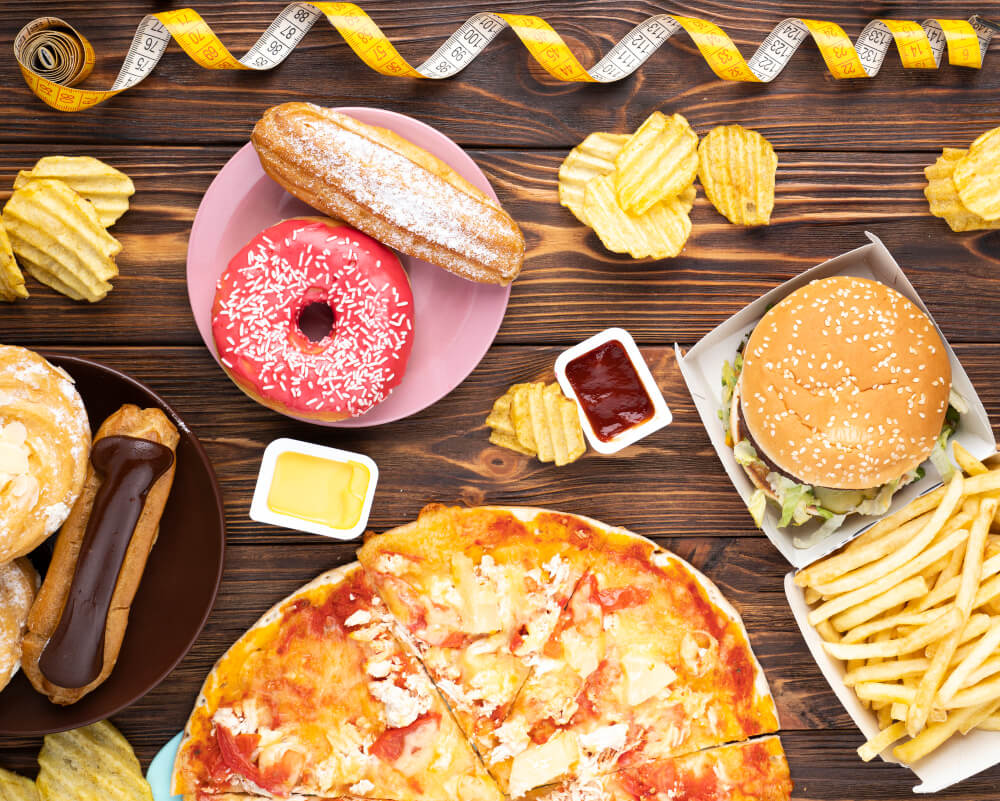
Foods high in saturated fat, including fatty meats, full-fat dairy products, and fried foods, can raise LDL cholesterol levels. Limiting these foods and choosing leaner alternatives helps maintain healthier lipid levels.
6. Include Omega-3 Rich Foods
Omega-3 fatty acids are known for their heart-protective benefits. Foods such as fatty fish, flaxseeds, walnuts, and chia seeds help reduce triglycerides and support overall cardiovascular health.
7. Eat Nuts in Moderation
A small portion of nuts like almonds or walnuts each day can improve cholesterol balance. Nuts contain healthy fats, fiber, and plant compounds that support heart health when consumed in controlled portions.
8. Increase Soluble Fiber Intake
Soluble fiber plays a key role in reducing cholesterol levels. Foods such as lentils, beans, apples, and barley help remove excess cholesterol from the bloodstream and support digestive health.
9. Maintain a Healthy Body Weight
Excess body weight can negatively affect cholesterol levels and increase the risk of heart disease. Even modest weight loss can significantly improve cholesterol levels and overall metabolic health.
10. Exercise for at Least 30 Minutes Daily
Regular physical activity is one of the most effective ways to improve cholesterol levels. Activities such as brisk walking, cycling, swimming, or light strength training help increase HDL cholesterol and improve circulation.
11. Avoid Trans Fats
Trans fats are commonly found in processed foods, baked goods, and fried snacks. These unhealthy fats raise LDL cholesterol and reduce HDL cholesterol, making them particularly harmful for heart health.
12. Limit Sugary Foods and Drinks
Excess sugar intake can raise triglyceride levels and contribute to poor cholesterol balance. Reducing sugary beverages, desserts, and processed snacks supports healthier lipid levels.
13. Choose Lean Protein Sources
Protein is essential for maintaining muscle and metabolic health. Choosing lean protein sources such as lentils, fish, tofu, and low-fat dairy products helps provide nutrients without excessive saturated fat.
14. Drink Green Tea Regularly
Green tea contains powerful antioxidants called catechins that may help improve lipid metabolism. Regular consumption of green tea can support heart health and cholesterol balance.
15. Reduce Salt Intake
Excess salt intake can increase blood pressure, which adds additional strain on the cardiovascular system. Reducing salt helps support overall heart health and complements cholesterol management efforts.
16. Manage Stress Effectively
Chronic stress can negatively affect cholesterol levels and heart health. Stress management practices such as meditation, deep breathing, yoga, or spending time outdoors can help maintain emotional balance and metabolic health.
17. Maintain Healthy Sleep Patterns
Sleep plays an important role in metabolic health. Getting 7–8 hours of quality sleep every night helps regulate hormones, reduce inflammation, and support healthy cholesterol levels.
18. Avoid Smoking
Smoking damages blood vessels and significantly reduces HDL cholesterol levels. Quitting smoking improves circulation and reduces the risk of cardiovascular diseases.
19. Stay Properly Hydrated
Drinking enough water throughout the day supports metabolism, digestion, and overall health. Proper hydration also helps the body maintain balanced metabolic functions.
20. Schedule Regular Health Checkups
Regular blood tests and health checkups allow individuals to monitor cholesterol levels and track progress. Early detection of changes helps healthcare professionals adjust treatment or lifestyle plans when necessary.
More Foods That Help Maintain Healthy Cholesterol
Certain foods naturally support cholesterol management and heart health. Including these foods regularly in daily meals can help improve lipid profiles.
Some beneficial options include oats, barley, apples, citrus fruits, almonds, walnuts, flaxseeds, chia seeds, lentils, chickpeas, leafy green vegetables, fatty fish rich in omega-3 fatty acids, olive oil, avocados, broccoli, and garlic.
These foods contribute to a balanced diet that supports both heart health and cholesterol control.
Expert Guidance for Cholesterol Management
Managing cholesterol effectively often requires personalised support. Hons (Dr) Saurabh Kaushik, a lifestyle coach with expertise in clinical nutrition, preventive healthcare, exercise science, and behavioral health, focuses on improving metabolic health through structured lifestyle changes.
His approach combines nutrition planning, physical activity, and stress management to create sustainable health improvements. Diet Plans and Programs offered by best dietitian in Ahmedabad at Aura The Diet Clinic follow similar evidence-based methods to help individuals develop long-term habits that support cardiovascular health.
Conclusion
High cholesterol does not develop overnight, and managing it requires consistent lifestyle improvements rather than quick fixes. Healthy eating patterns, regular exercise, stress management, and routine health monitoring all play an important role in maintaining balanced cholesterol levels.
By following these 20 practical diet and lifestyle tips for cholesterol patients, individuals can gradually reduce LDL cholesterol, improve HDL cholesterol, and protect their long-term heart health. With disciplined habits and expert guidance, maintaining healthy cholesterol levels becomes both achievable and sustainable.

Related posts
-
 What Are the 20 Worst Foods for High Cholesterol?
Foods for high cholesterol become a concern when routine blood reports suddenly reveal...
-
 20 Best Cultural Indian Foods That Don’t Cause Weight Gain
Many people believe Indian food automatically leads to weight gain because of oil, ghee,...
-
Are Millets Good for Everyone’s Diet and Health?
Constant bloating, slow digestion, weight gain, and unstable blood sugar are common...